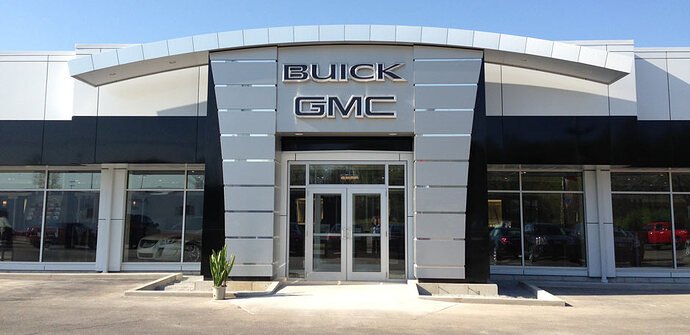
In a significant enforcement action that has sent ripples through the automotive industry, the Michigan Department of State (MDOS) suspended the dealer license of LaFontaine Chevrolet Buick GMC of St. Clair. The suspension, which occurred in late 2025, was the result of the dealership allegedly selling used vehicles—specifically former “loaner” cars—as brand new.
This action serves as a critical warning for car buyers in the Great Lakes State. While the dealership in question has since reached a settlement to reopen, the case highlights a confusing loophole in Michigan vehicle law and raises essential questions about transparency, vehicle history, and consumer rights. If you are shopping for a GM vehicle or any new car in Michigan, here is everything you need to know about the scandal, the regulations, and how to protect yourself.
The Core Allegation: Used Cars Masquerading as New
The central issue revolves around the definition of a “new” vehicle versus a “used” one. According to the Michigan Vehicle Code, the classification of a vehicle significantly impacts the buyer’s financing terms, warranty start date, and insurance rates.
The investigation into LaFontaine Chevrolet Buick GMC of St. Clair began in 2024. Regulators discovered that the dealership was taking vehicles from its service loaner fleet—cars lent to customers while their own vehicles were being repaired—and selling them as brand new units. Some of these vehicles reportedly had up to 6,000 miles on the odometer at the time of sale.
In the automotive world, 6,000 miles is substantial. It represents months of wear and tear, potential interior scuffs, and exposure to various drivers. Despite this, the dealership allegedly failed to disclose this prior history to buyers, treating the transactions as new car sales.
A Second Chance Ignored
The 2024 discovery did not initially result in a license suspension. Instead, the state showed leniency. The MDOS issued a $3,000 fine and placed the dealership on an 18-month probation. Regulators also provided “educational materials” to ensure the dealer understood Michigan’s titling laws regarding loaner vehicles.
However, a follow-up inspection in September 2025 revealed that the dealership had not ceased the practice. Investigators found more than two dozen instances of the same violation occurring after the probation period had begun. This recidivism triggered the immediate suspension of their license, which the state deemed necessary to prevent “imminent harm to the public”.
The “Outdated Law” Defense: A Clash of Definitions
In response to the allegations, LaFontaine Automotive Group did not deny the mechanics of what happened. Instead, they argued that the law itself is flawed. The dealership claimed that the issue was “administrative in nature — stemming from confusion between automaker program requirements, dealer processes, and the State’s outdated regulatory statutes”.
This defense points to a specific tension in the auto industry: the conflict between manufacturer rules and state titling laws.
The Manufacturer vs. The State
To General Motors (GM) and most lending institutions, a “loaner” vehicle technically qualifies for “new” car incentives and warranty coverage if it has never been titled to an individual retail customer. From the manufacturer’s perspective, the vehicle is still part of the dealer’s inventory.
However, Michigan law views things differently. According to MDOS interpretation, once a vehicle is used for any purpose other than demonstration drives directly related to its immediate sale—specifically, once it is registered to the dealership and loaned out to a customer for a multi-day period—it loses its “new” status. Under Michigan’s titling statutes, such vehicles must be classified and sold as used vehicles.
LaFontaine argued that in nearly every other state, modernized statutes reflect the reality of loaner programs, allowing these vehicles to retain their new status. They urged Michigan to modernize its rules. The state, however, held firm that the law is the law, and that failing to re-title these vehicles as “used” constitutes a fraudulent misrepresentation to the buyer.
The Aftermath: Fine, Reopening, and Oversight
The license suspension was swift, but it was not permanent. The intense media scrutiny and regulatory pressure forced a rapid resolution. To reopen its doors, LaFontaine Chevrolet Buick GMC of St. Clair agreed to a strict settlement.
The terms of the reinstatement included a $25,000 fine and extended oversight by the state through December 2026. Furthermore, the dealership was required to implement mandatory staff training to ensure future compliance with titling laws.
Notably, this was not the first offense for the LaFontaine group. Earlier in 2025, LaFontaine Hyundai of Livonia was hit with a nearly identical penalty: a $25,000 fine and a one-day suspension for the same issue of selling used loaner cars as new. This pattern suggests a systemic issue within the dealership group regarding how they manage and disclose loaner vehicle history.
The Legal Framework: How Michigan Regulates Dealers
To understand the severity of this case, one must look at the Michigan Vehicle Code (Act 300 of 1949). The Secretary of State holds significant power to protect consumers through licensing regulations.
Bond Requirements and Consumer Protection
Under MCL 257.248, all licensed dealers in Michigan must post a $25,000 bond. This bond is designed to indemnify a purchaser for “monetary loss caused through fraud, cheating, or misrepresentation.” In cases like the LaFontaine suspension, if a customer paid a “new” price for a used loaner car, they may have a claim for the difference in value against that bond.
The Suspension Process
The process for revoking or suspending a license is outlined in MCL 257.250. Before the state can act, it must investigate, set a hearing date, and allow the dealer to appeal. A final order from the Secretary of State is considered final unless appealed to the circuit court within 30 days. In this instance, rather than fighting a lengthy legal battle, LaFontaine opted to accept the fine and oversight to get back to business quickly.
What This Means for Customers
For the average car buyer in Michigan, this scandal is a wake-up call. You cannot assume that a car sitting on a new car showroom floor—even one with fewer than 10,000 miles—has never been owned or used.
The “Loaner” Loophole
Dealerships often market loaner vehicles as “executive demos” or “courtesy vehicles” with significant discounts. While these can be great deals, they are legally distinct from “new” inventory. A true “new” car typically has fewer than a few hundred miles from test drives and transport. A loaner vehicle has lived a hard life as a rental.
Check the Title, Not Just the Odometer
In Michigan, if a vehicle was used as a loaner or rental, the title history should reflect that. If a dealer tries to sell you a car with 5,000 miles but insists it is “new,” you must ask to see the Title Application or Registration. If the vehicle was previously registered in the dealership’s name (a “dealer plate” is different from a registration), it is a used car.
Red Flags to Watch For
When shopping for a “new” GM vehicle, look for these warning signs:
-
High Mileage: New cars should have delivery miles (usually under 200-300). Anything over 1,000 miles needs a specific explanation.
-
Warranty Start Date: Ask the finance manager for the “in-service date.” For a true new car, the warranty starts the day you buy it. For a loaner, the warranty may have started months earlier when the dealer first put the car into service.
-
Price: If the discount seems too good to be true for a “brand new” car, it is likely a loaner vehicle. Ensure the paperwork explicitly states “Used Vehicle” or “Demonstrator,” not just “New.”
Conclusion: Trust But Verify
The suspension of the LaFontaine GM dealership license serves as a landmark case in Michigan automotive regulation. While the dealership has resolved its issues with the state and reopened, the precedent is clear: The MDOS is actively cracking down on misclassification.
For consumers, the lesson is simple. While the legal battle over “outdated statutes” continues between the state and large auto groups, your financial protection relies on due diligence. Always verify the vehicle status on the paperwork, check the warranty start date, and remember: if it has been loaned out, in the eyes of Michigan law, it isn’t new anymore.
If you believe you have purchased a misrepresented vehicle, you can contact the Michigan Department of State’s Office of Investigative Services at 1-844-372-8356.
Frequently Asked Questions (FAQ)
Q1: Is the LaFontaine GM dealership in St. Clair still closed?
A: No. While their license was initially suspended, the dealership reached an agreement with regulators to pay a $25,000 fine and accept extended oversight, allowing it to reopen. The suspension reportedly lasted only a single day before operations resumed under the new compliance agreement.
Q2: Why did Michigan suspend the license?
A: The state suspended the license because the dealership allegedly sold former loaner vehicles as “new.” These vehicles had been used by customers as temporary transportation (accumulating up to 6,000 miles). State law requires these to be titled and sold as “used” vehicles because they are not in “new” condition. The dealership continued this practice even after being warned and placed on probation.
Q3: How can I check if my car was previously a loaner vehicle?
A: You can check the vehicle history report (like Carfax or AutoCheck). Look for a “service loaner” or “corporate fleet” notation. Additionally, check the warranty start date with GM. If the warranty started months before your purchase date, the vehicle was likely used as a loaner before you bought it.
Q4: What is the bond requirement for Michigan car dealers?
A: Under MCL 257.248, Michigan requires motor vehicle dealers to maintain a $25,000 surety bond. This bond is intended to protect consumers from monetary losses caused by fraud, cheating, or misrepresentation. If a dealer commits fraud (such as selling a used car as new), affected customers may file a claim against this bond to recover their losses.
Q5: If I bought a “new” car that was actually a loaner, can I return it or get money back?
A: Potentially, yes. You should contact the Michigan Department of State’s Office of Investigative Services (844-372-8356). Depending on the specifics, you may be entitled to compensation for the difference in value between a new car and a used car. You may also need to consult a consumer protection attorney, as selling a used vehicle as new is generally considered fraud under Michigan consumer protection laws.
Q6: Is it illegal to sell a loaner car as new everywhere?
A: No, this is a specific Michigan issue. Michigan has stricter titling laws than many other states. In many other states, dealers can sell low-mileage loaner vehicles as “new” as long as the manufacturer’s warranty is adjusted accordingly. However, in Michigan, the law requires reclassification once the vehicle has been used (titled to the dealer and loaned out), leading to the conflict seen in the LaFontaine case.
Q7: What is the penalty for a dealership selling a used car as new in Michigan?
A: Penalties can include fines (such as the $25,000 fine levied here), suspension or revocation of the dealer license, mandatory compliance training, and extended probation periods. The state may also require restitution to affected customers