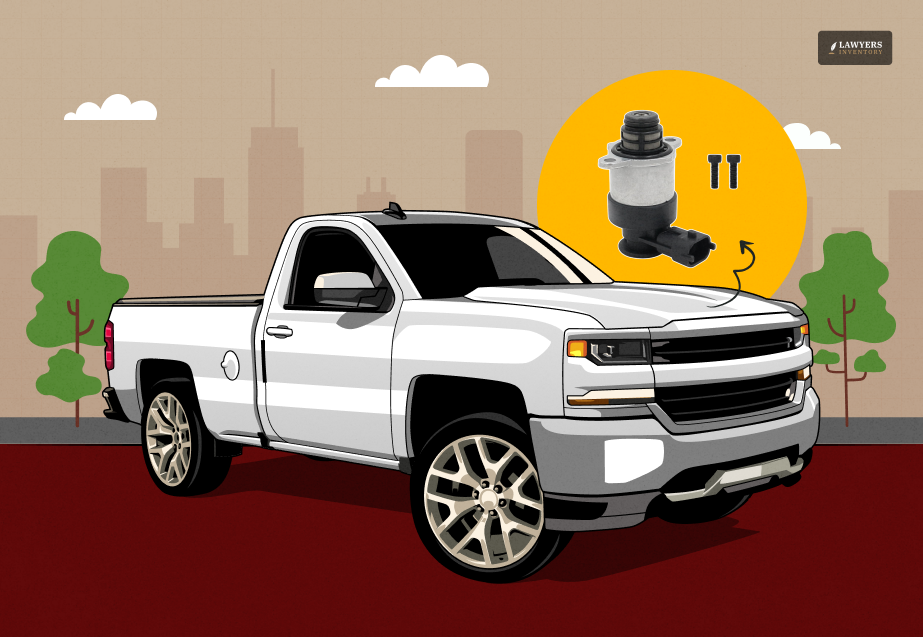
Introduction
The CP4 Fuel Pump Silverado Sierra Lawsuit has become a significant topic for owners of Chevrolet Silverado and GMC Sierra trucks equipped with Duramax diesel engines. This class-action lawsuit highlights a major defect in the high-pressure fuel pump system, affecting thousands of vehicle owners across several U.S. states. The issue revolves around the Bosch CP4 fuel pump, which has been prone to premature failure, leading to costly repairs and potential safety hazards. As of 2026, the lawsuit has resulted in a substantial settlement, providing relief to affected consumers. In this comprehensive article, we’ll delve into the details of the CP4 Fuel Pump Silverado Sierra lawsuit, exploring its origins, technical aspects, settlement terms, and more. Whether you’re an owner seeking compensation or simply curious about diesel engine reliability, this guide covers everything you need to know.
The CP4 Fuel Pump Silverado Sierra Lawsuit stems from allegations that General Motors (GM) knowingly installed defective pumps in their heavy-duty trucks, incompatible with U.S. diesel fuel standards. This has led to widespread failures, with repair costs often exceeding $10,000. The lawsuit, formally known as Chapman et al. v. General Motors LLC, was filed in 2019 and reached a settlement in 2025. Owners in specific states have been eligible for reimbursements, marking a victory for consumer rights in the automotive industry.
What is the CP4 Fuel Pump?
The CP4 fuel pump is a high-pressure injection pump manufactured by Bosch, designed to deliver fuel at extremely high pressures to modern diesel engines. Introduced as a replacement for the more robust CP3 pump, the CP4 was intended to improve efficiency and reduce emissions in compliance with stricter environmental regulations. In GM’s Duramax engines, the CP4 operates by using the engine’s camshaft to drive a piston that pressurizes fuel up to 30,000 psi before sending it to the injectors.
Visually, the CP4 is a compact, metallic unit with a gear-driven mechanism and electronic controls.
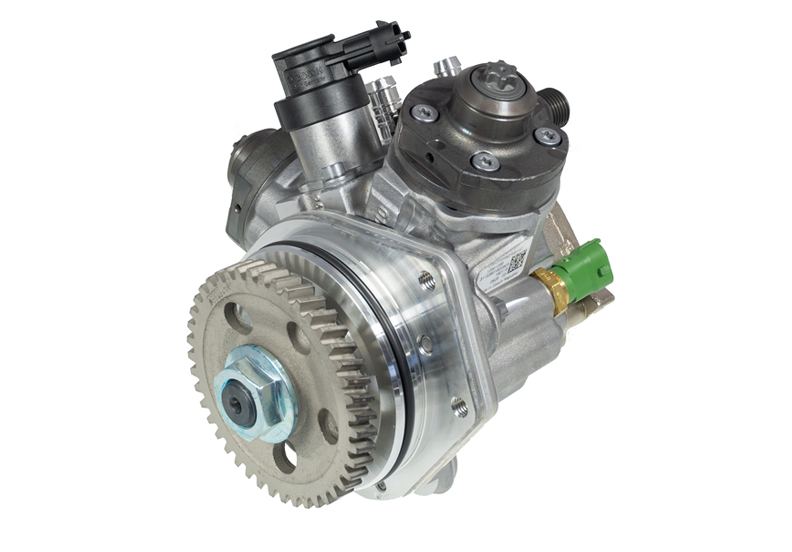
It’s integral to the common-rail fuel injection system, which allows for precise fuel delivery, better combustion, and improved performance. However, its design relies heavily on the fuel itself for lubrication, which has proven problematic in real-world applications.
In the context of the CP4 Fuel Pump Silverado Sierra Lawsuit, the pump’s vulnerability has been a central issue. Unlike its predecessor, the CP4 has a single-piston design that makes it more susceptible to wear and failure under certain conditions.
The Issues with the CP4 Fuel Pump in GM Vehicles
The primary problem with the CP4 in GM vehicles is its incompatibility with U.S. diesel fuel. American diesel, particularly ultra-low sulfur diesel (ULSD), lacks the lubricity of European diesel, for which the pump was originally designed. This leads to insufficient lubrication inside the pump, causing metal-to-metal contact between components like the cam and rollers.
When lubrication fails, the pump begins to shed metal shavings, which contaminate the entire fuel system. These particles can clog injectors, damage fuel lines, and even ruin the engine, resulting in sudden power loss or complete breakdown. Symptoms include rough idling, loss of power, black smoke from the exhaust, and the infamous “limp mode” where the vehicle restricts speed for safety.
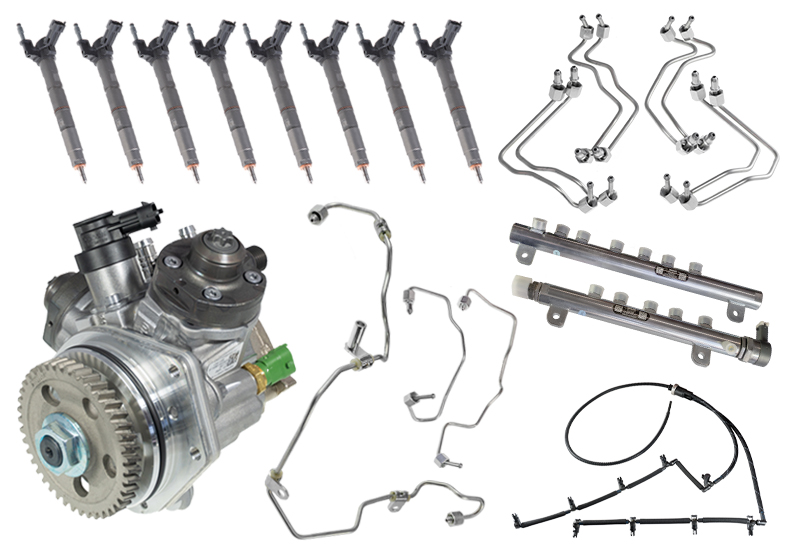
In severe cases, the failure is catastrophic, often occurring without warning while driving, posing risks to occupants and other road users. Repair bills can range from $8,000 to $15,000, as the entire fuel system—pump, injectors, rails, and lines—must typically be replaced. Here’s an illustration of a failed CP4 system showing metal contamination.

Owners have reported failures as early as 50,000 miles, far below the expected lifespan of a diesel component. This has fueled the CP4 Fuel Pump Silverado Sierra Lawsuit, with plaintiffs arguing GM failed to disclose the defect.
Affected Models: Silverado and Sierra Trucks
The lawsuit targets specific GM models equipped with the 6.6L Duramax V8 diesel engine. Affected vehicles include:
- Chevrolet Silverado 2500HD with LML engines (2011-2016)
- Chevrolet Silverado 3500HD with LML engines (2011-2016)
- Chevrolet Silverado 2500HD/3500 with LPG engines (2011-2012)
- GMC Sierra 2500HD with LML engines (2011-2016)
- GMC Sierra 3500HD with LML engines (2011-2016)
- GMC Sierra 2500HD/3500 with LGH engines (2011-2012)
- GMC Sierra with RPO ZW9 and LGH engines (2010-2011)
These heavy-duty trucks were popular for towing and hauling, with the Duramax engine praised for its power (up to 397 hp and 765 lb-ft torque). However, the CP4 issue has tarnished their reputation.
Here’s a typical 2011-2016 Chevrolet Silverado 2500HD.
And a GMC Sierra 3500HD.

Only vehicles purchased from GM-authorized dealers in California, Florida, Illinois, Iowa, New York, Pennsylvania, or Texas qualify for the settlement, covering purchases from March 1, 2010, to September 13, 2024.
The Class-Action Lawsuit: Background and History
The CP4 Fuel Pump Silverado Sierra Lawsuit began in 2019 when plaintiffs, including lead plaintiff Chapman, filed suit in the U.S. District Court for the Eastern District of Michigan. They alleged GM violated consumer protection laws by selling vehicles with a known defective pump, leading to fraud, breach of warranty, and unjust enrichment.
Key milestones:
- November 2018: Initial complaints filed.
- December 2019: Amended complaint.
- April 2021: Court upholds most claims against GM.
- March 2023: Class certification granted.
- June 2024: Preliminary settlement approval.
- May 6, 2025: Final approval by Judge Terrence G. Berg.
The lawsuit also involved Bosch but focused primarily on GM. Similar suits against Ford for their Power Stroke engines are ongoing.
Settlement Details
GM agreed to a $50 million settlement fund, with $30 million for repair reimbursements and $5 million for former owners who overpaid due to the defect. Class members who paid for past CP4 repairs can receive up to $12,700, depending on costs and documentation.
For future repairs after May 6, 2025, at authorized dealerships, owners get 50% reimbursement, up to 200,000 miles or until May 6, 2026. A one-year limited warranty covers 50% of catastrophic failure costs.
Lawyers received $15 million in fees, but no out-of-pocket costs for class members.
Eligibility and How to Claim
Eligibility requires owning or having owned an affected vehicle bought in one of the seven states. Use the VIN lookup on gmfuelpumplitigation.com to check.
For past repairs, the claim deadline was November 6, 2025. For future repairs, submit forms within 60 days. Contact: 1-866-848-0815 or info@GMFuelPumpLitigation.com.
Technical Causes of CP4 Failure
The root cause is poor lubricity in ULSD fuel, causing dry running and metal shavings. Other factors: water contamination, air bubbles, and debris. The pump’s roller shoe design exacerbates wear.
See this diagram of a CP4 pump assembly.
Prevention and Upgrades
To prevent failure: Use fuel additives like Opti-Lube, install lift pumps, and change filters regularly. Upgrades include switching to CP3 pumps or disaster prevention kits.
Impact on Owners
Many owners faced financial hardship, with some spending over $12,000 on repairs. The lawsuit has raised awareness, prompting GM to improve future designs.
Similar Issues in Other Manufacturers
Ford’s 6.7L Power Stroke has similar CP4 problems, with ongoing litigation.
Conclusion
The CP4 Fuel Pump Silverado Sierra Lawsuit underscores the importance of automotive accountability. While the settlement provides relief, it highlights ongoing challenges in diesel technology. If you’re affected, act promptly to claim benefits.
FAQ
Q: What is the CP4 Fuel Pump Silverado Sierra Lawsuit about? A: It’s a class-action suit against GM for defective CP4 pumps in 2011-2016 Silverado and Sierra diesels.
Q: Am I eligible for the settlement? A: If you bought an affected truck in CA, FL, IL, IA, NY, PA, or TX from a GM dealer.
Q: What compensation can I get? A: Up to $12,700 for past repairs; 50% for future ones.
Q: How do I file a claim? A: Visit gmfuelpumplitigation.com and submit with VIN and receipts.
Q: Why does the CP4 fail? A: Mainly due to low lubricity in U.S. diesel fuel.
Q: Can I prevent CP4 failure? A: Yes, with additives, better filtration, and upgrades.
Q: Is there a recall? A: No recall, but the settlement offers reimbursements.