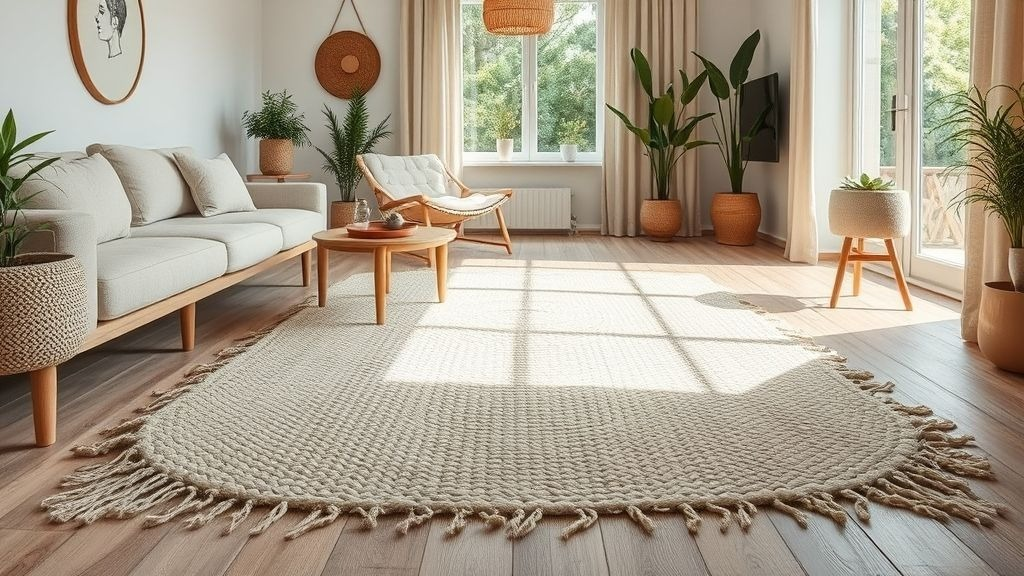
In today’s world of conscious living, homeowners and designers are turning to materials that deliver both luxury underfoot and genuine respect for the planet. Natural sheep wool has long been prized for its incredible versatility, and when shaped into thick, durable floor coverings, it creates spaces that feel instantly welcoming. These pieces strike the perfect balance between plush comfort and sustainable elegance, transforming ordinary rooms into serene sanctuaries. Wollmatten embodies this ideal by combining centuries-old craftsmanship with modern performance needs.
The Origins and Evolution of Wool Mats in Design
Wool has been used for floor coverings since ancient times across Europe and Asia. Shepherd communities in the Alps and Scottish highlands felted raw fleece by hand, creating dense mats that protected stone floors from cold and damp. The process relied on the natural scales of wool fibers interlocking under pressure and moisture—no synthetic adhesives required. Over centuries, this technique traveled through trade routes, influencing everything from Persian kilims to Nordic runner rugs.
By the industrial era, mechanized felting and needle-punching allowed larger-scale production while preserving the material’s core properties. Today, contemporary makers blend traditional methods with ethical sourcing: wool from regenerative farms where sheep graze freely, supporting biodiversity and soil health. These floor coverings now appear in minimalist lofts, cozy cottages, and high-end wellness studios alike. Their evolution mirrors society’s shift toward biophilic design—bringing nature indoors through texture, warmth, and breathability. Unlike mass-produced synthetics that off-gas chemicals, wool mats age gracefully, developing a soft patina that only improves with time.
Unmatched Comfort: Why Wool Mats Excel in Daily Living
Step onto a quality sheep wool floor covering and the difference is immediate. The dense pile cradles feet with resilient cushioning that synthetic foams simply cannot replicate. Wool’s natural crimp—the wavy structure of each fiber—creates millions of tiny air pockets that trap body heat in winter and release it in summer. This thermoregulation keeps rooms comfortable year-round without extra heating or cooling.
Acoustic benefits are equally impressive. Wool absorbs sound waves far better than hard floors or thin carpets, reducing echo in open-plan spaces and creating a calmer atmosphere. Families with children or home offices notice the difference instantly: footsteps soften, conversations feel more intimate. Lanolin, the natural oil in wool, repels dust and stains while providing subtle antimicrobial protection. This makes the surface feel cleaner and fresher for longer.
In bedrooms, these mats serve as luxurious bedside runners that greet bare feet each morning. Living rooms gain instant coziness when placed beneath coffee tables, encouraging people to linger on the floor with books or games. Even kitchens benefit from smaller mats in high-traffic zones, easing the strain on joints during meal prep. The sensory experience—soft, springy, naturally warm—turns functional spaces into places of genuine comfort.
Eco-Friendly Credentials: Sustainability in Every Fiber
Choosing wool floor coverings means supporting a truly circular material. Sheep wool is renewable; animals grow a new fleece each year. Responsible farms practice rotational grazing that sequesters carbon in soil. Once a mat reaches the end of its decades-long life, it biodegrades completely, returning nutrients to the earth instead of lingering in landfills like plastic alternatives.
Manufacturing is low-impact. Felting uses water and mechanical pressure rather than petroleum-based binders. The finished product contains zero volatile organic compounds, improving indoor air quality. Wool naturally filters pollutants, binding formaldehyde and other toxins within its fiber structure. Families with asthma or chemical sensitivities often report fresher air after switching.
Compared to nylon or polyester rugs, wool requires far less energy to produce and lasts three to five times longer. Its flame resistance—thanks to high nitrogen content—adds safety without toxic retardants. When responsibly sourced and certified, these pieces align perfectly with LEED and WELL building standards, helping eco-conscious designers meet green credentials without sacrificing beauty.
Styling with Natural Wool Floor Coverings: Design Ideas and Trends
Versatility defines these sustainable wool pieces. In Scandinavian-inspired homes, choose undyed natural cream or soft gray tones to enhance light and calm. Pair them with light oak furniture and linen textiles for a serene, layered look. For bohemian interiors, opt for subtly patterned versions in warm terracotta and olive, layering smaller mats over larger jute bases for added texture and depth.
Modern minimalists love clean-edged rectangular wool rugs in charcoal or deep navy, anchoring low-profile sofas and creating visual breathing room. In dining areas, round wool mats soften hard flooring beneath tables, reducing noise from chairs and adding warmth during meals. Hallways benefit from long runners that guide the eye and cushion every step.
2026 trends lean toward earthy palettes—moss greens, warm beiges, and toasted browns—with minimal patterns that let the wool’s natural sheen shine. Some designers incorporate subtle felted motifs inspired by nature: abstract leaf veins or gentle waves. Layering remains popular: place a smaller wool accent mat over a larger neutral base for dimension. In children’s rooms, soft pastel wool mats provide safe, non-slip play surfaces that withstand spills and cleaning.
Wollmatten integrate seamlessly across styles because their organic texture complements any palette. Whether grounding a sleek marble coffee table or warming a rustic wood floor, they elevate the entire room without competing for attention.
Practical Considerations: Choosing, Placing, and Maintaining Wool Rugs
Selecting the right size matters. Measure the space and allow at least 30-45 cm of floor to show around the edges for balance. Quality indicators include dense felting, natural undyed or low-impact dyes, and certifications for ethical wool sourcing. Thicker mats (10-15 mm) suit living areas; thinner versions work well in high-traffic hallways.
Placement tips: avoid direct sunlight in intense heat to prevent fading, though wool is naturally UV-resistant. Rotate every six months for even wear. For maintenance, regular vacuuming with a beater-bar-free cleaner removes surface dirt without damaging fibers. Spot-clean spills immediately with mild soap and cold water—never hot, which can felt the wool further. Professional cleaning every 2-3 years refreshes the piece. With proper care, these rugs often outlast their owners, becoming heirlooms passed down through generations.
Real-Life Transformations: Case Studies in Homes
Consider a young family in a city apartment who replaced synthetic wall-to-wall carpet with large neutral wool mats in the living and play areas. Allergy symptoms decreased noticeably within weeks, and the space felt warmer despite unchanged heating settings. Another example: a minimalist couple in a converted warehouse used strategically placed wool runners to define zones without walls, softening concrete floors and adding acoustic privacy for remote work.
A coastal cottage owner chose water-resistant treated wool mats for the entry and kitchen, protecting against salt air and tracked-in sand while maintaining the home’s relaxed, natural aesthetic. Each case demonstrates how thoughtful placement of natural wool floor coverings solves practical problems while enhancing beauty.
Conclusion
The marriage of comfort and sustainability has never been more relevant. Natural wool floor coverings deliver plush underfoot luxury, superior performance, and genuine environmental responsibility. They invite us to slow down, feel the texture beneath our feet, and appreciate materials that honor both tradition and the future. Wollmatten represents more than décor—they embody a mindful approach to living well. By choosing these timeless pieces, homeowners create spaces that nurture body, mind, and planet for years to come. Wollmatten truly shows how comfort and eco-friendly style can coexist beautifully in every home.
FAQ
What are natural wool floor coverings made from? They are crafted primarily from sheep’s fleece that undergoes felting or needle-punching to form dense, durable mats. No synthetic backing or chemical adhesives are needed, preserving the material’s natural integrity.
How do wool mats regulate temperature and humidity? Wool fibers contain natural crimp that traps air for insulation and can absorb up to 30% of their weight in moisture without feeling damp. This releases humidity slowly, keeping rooms comfortable in any season.
Are wool rugs suitable for homes with allergies or asthma? Yes. Wool naturally repels dust mites and binds airborne pollutants. Its antimicrobial lanolin content reduces mold growth, often improving indoor air quality compared to synthetic carpets.
How long do high-quality wool floor coverings last? With proper care, they typically endure 15-30 years or more. Many become family heirlooms, far outlasting cheaper synthetic alternatives that compress and degrade quickly.
Can wool mats be used in high-moisture areas like bathrooms or kitchens? Smaller treated wool mats work well in these zones when placed away from direct water. Their natural stain resistance handles occasional spills, but they should not remain wet for long periods.
What maintenance is required to keep wool rugs looking fresh? Vacuum regularly, rotate periodically, and spot-clean spills promptly with cold water and mild detergent. Professional deep cleaning every few years restores their original softness.
Are wool floor coverings environmentally better than synthetic rugs? Absolutely. Wool is renewable, biodegradable, and carbon-negative in production. Synthetics rely on petroleum, release microplastics, and persist in landfills for centuries.
Do wool mats come in different colors and patterns? Yes—ranging from natural undyed creams and grays to softly dyed earth tones. Subtle patterns inspired by nature or solid colors allow them to fit any interior style from minimalist to eclectic.