Introduction
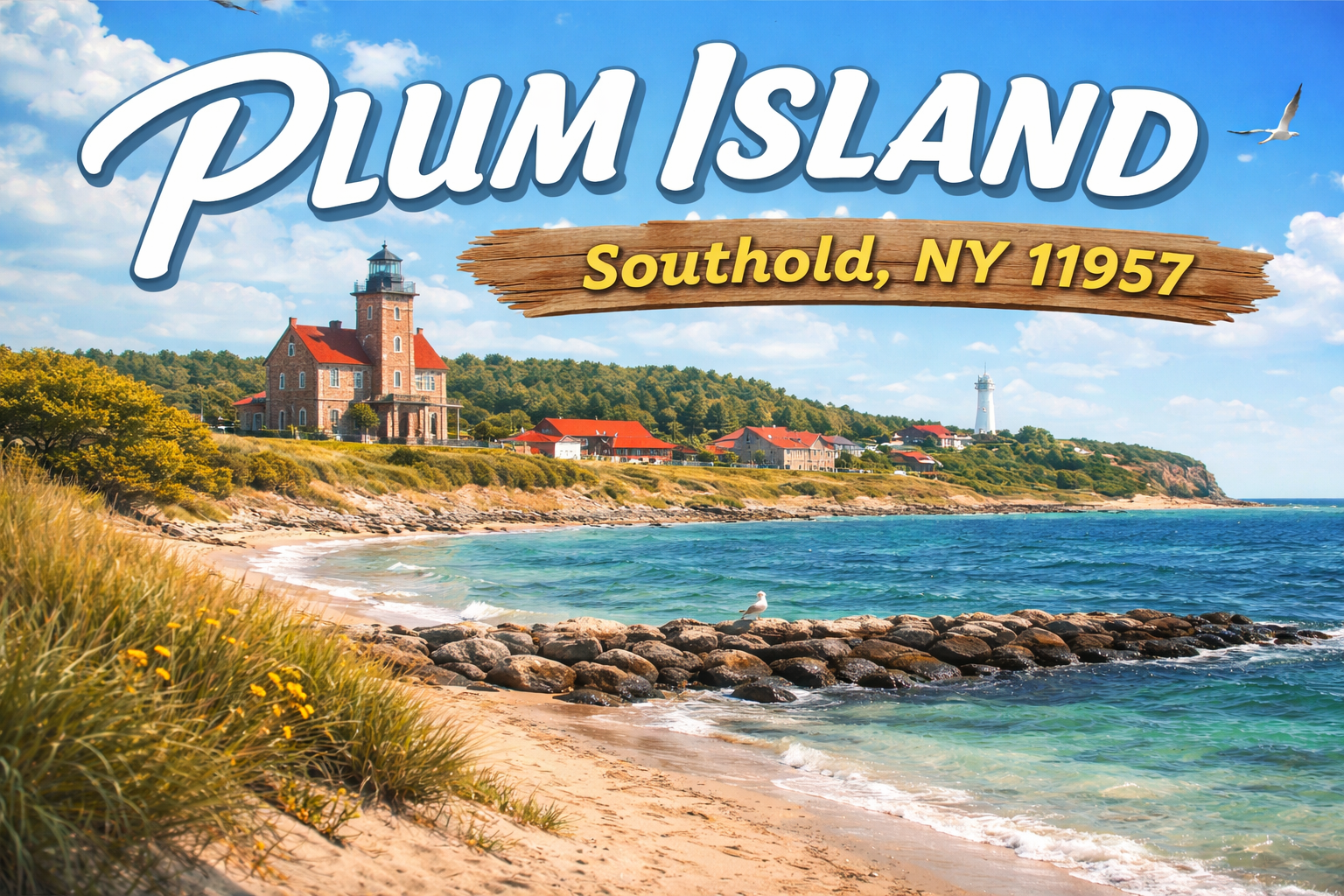
Nestled in the waters off the North Fork of Long Island, Plum Island Southold NY 11957 stands as a enigmatic piece of American land, blending natural beauty with a storied past of military intrigue and scientific research. This 840-acre island, part of the Town of Southold in Suffolk County, New York, has captivated imaginations for centuries due to its isolation and restricted access. From its origins as a Native American fishing ground to its role in modern biosecurity, Plum Island Southold NY 11957 has evolved into a symbol of mystery and innovation. What began as a simple landmass shaped by glacial forces has become famous for housing the Plum Island Animal Disease Center (PIADC), a federal facility dedicated to combating threats to U.S. agriculture. Yet, beneath its serene Atlantic views lie layers of secrets, including conspiracy theories about biological experiments and escaped pathogens. This article delves into the rich history, hidden aspects, and enduring fame of Plum Island Southold NY 11957, exploring why it remains a topic of fascination in 2026.
Geography and Location of Plum Island Southold NY 11957
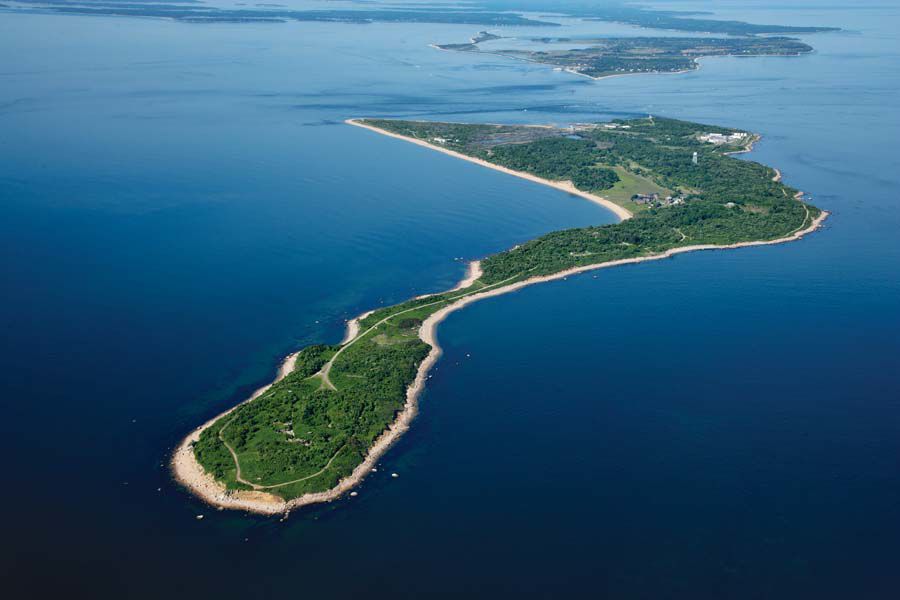
Plum Island Southold NY 11957 is strategically positioned in Gardiners Bay, within Block Island Sound and Long Island Sound, approximately 1.5 miles east of Orient Point on Long Island’s North Fork. Measuring about 3 miles long and 1 mile wide at its broadest point, the island’s total area spans 840 acres, making it a compact yet diverse ecosystem. Geologically, it is a recessional moraine deposit from the last ice age, part of the Harbor Hill-Roanoke Point-Fishers Island-Charlestown Moraine. This glacial history is evident in the boulders visible along the eroding northern slopes, where the terrain features a mix of rocky shores, sandy beaches, and forested interiors.
The island’s location in Plum Gut—a narrow, treacherous channel known for strong tidal currents—adds to its isolation and navigational challenges. Surrounded by deep blue waters, Plum Island Southold NY 11957 boasts stunning Atlantic Ocean views and serves as a critical habitat for wildlife. Its proximity to major urban centers like New York City (about 100 miles away) contrasts sharply with its restricted status, accessible only by government-operated ferries from Orient Point or Old Saybrook, Connecticut. This seclusion has preserved much of its natural state, with over 70% of the land remaining undeveloped, fostering biodiversity amid human-made structures like laboratories and historic forts. The ZIP code 11957, shared with nearby Orient, underscores its administrative tie to Southold, emphasizing its place within New York’s Suffolk County.

Early History: Native Americans and Colonial Era
The history of Plum Island Southold NY 11957 dates back millennia, long before European settlers arrived. Archaeological evidence suggests Native American habitation as early as 4,000 years ago, with the Pequot Nation referring to it as Manittuwond. Indigenous peoples, including the Montaukett and other Algonquin tribes, used the island for fishing sturgeon, hunting deer, and gathering resources from its abundant beach plums—hence its name. The island’s fertile waters and diverse flora made it a seasonal sanctuary, with evidence of human activity persisting for about 12,000 years.
European exploration began in 1614 when Dutch navigator Adriaen Block charted the area, labeling it “Pruym Eylant” on a 1640 map due to the plentiful plums. In 1659, Samuel Wyllys III purchased the island from Wyandanch, the local sachem, for a modest sum: a coat, a barrel of biscuits, and 100 fishhooks. During the colonial period, Plum Island became a haven for pirates and smugglers, leveraging its remote location. A notable event occurred on August 11, 1775, during the Revolutionary War, when American General David Wooster led 120 soldiers in an amphibious assault on the island (then called Plumb Island). The troops were repelled by British forces after a single volley, marking one of the war’s early engagements with no casualties.
In the 19th century, the island transitioned to more practical uses. It served as a quarantine station for diseased livestock, preventing the spread of illnesses to mainland farms. This foreshadowed its future role in animal health. The Plum Island Lighthouse, first established in 1827 and rebuilt in 1869, was constructed to guide ships through the perilous Plum Gut, becoming a key navigational aid and historic landmark. These early chapters laid the foundation for Plum Island’s transformation from a wild outpost to a site of national importance.
Military History: Fort Terry and Wars
By the late 19th century, Plum Island’s strategic position drew military interest. In 1897, following the Spanish-American War, the U.S. government purchased 193 acres for $90,000 to build Fort Terry as part of the Endicott System of coastal defenses. The fort aimed to protect Long Island Sound, approaches to New London, and eastern routes to New York Harbor. During World War I, it served as a training station for cadets, remaining on high alert for German U-boats, though no battles occurred there.
World War II reactivated Fort Terry as an anti-submarine base, with installations for artillery and chemical corps activities. The island’s isolation made it ideal for secretive operations, including potential biological research precursors. Post-war, in 1952, the Army Chemical Corps took over, but by 1954, the site was transferred to the USDA for civilian purposes. Fort Terry’s remnants, including batteries and bunkers, still dot the landscape, listed on the National Register of Historic Places, serving as silent witnesses to Plum Island’s martial past. This military legacy contributed to the aura of secrecy that would define the island in the Cold War era and beyond.
Establishment of the Plum Island Animal Disease Center
In response to foot-and-mouth disease outbreaks in Mexico and Canada in the early 1950s, the U.S. Army handed Plum Island over to the USDA in 1954 to establish the Plum Island Animal Disease Center (PIADC). The facility’s mission was to research foreign animal diseases threatening U.S. livestock, such as foot-and-mouth disease (FMD), African swine fever, and rinderpest. PIADC became the nation’s frontline defense against agricultural threats, protecting a multibillion-dollar industry.
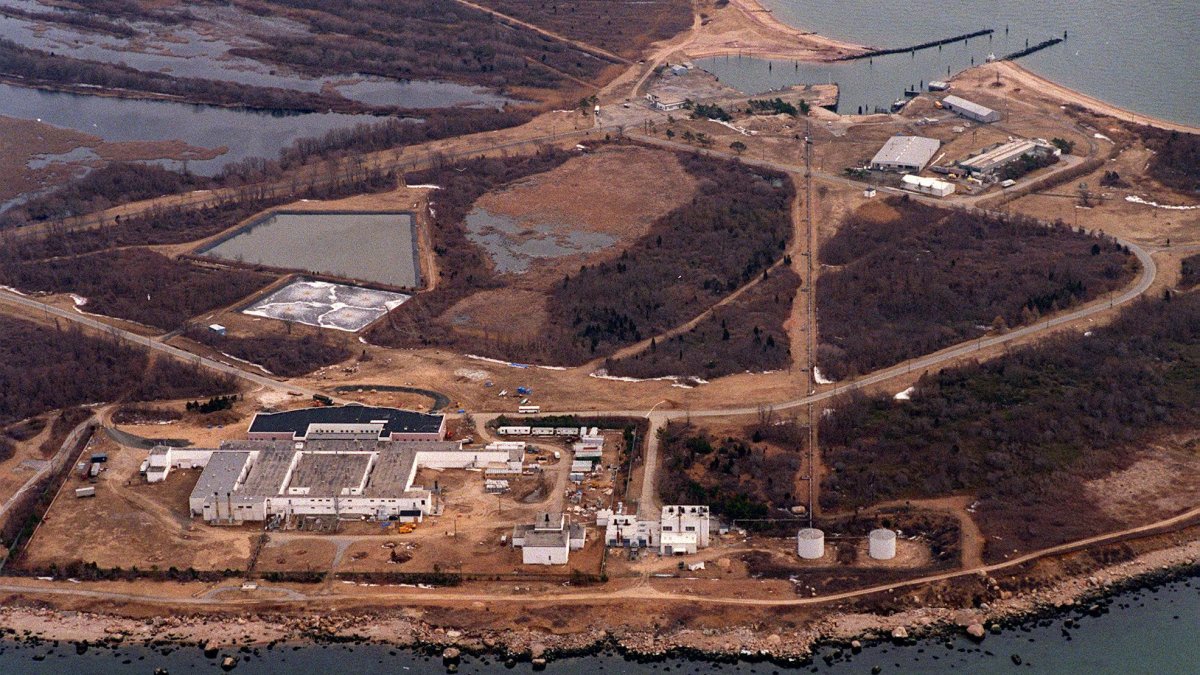
Initially under USDA control, ownership shifted to the Department of Homeland Security (DHS) in 2003, while USDA continued operations. The center spans 70 buildings, including biosafety level 3 laboratories equipped for handling highly infectious pathogens. Access is tightly controlled, with employees undergoing rigorous security checks and decontamination protocols. This high-security setup, while essential for safety, fueled perceptions of secrecy and sparked numerous rumors.
Research and Activities at PIADC
PIADC’s core activities include diagnosing over 40 foreign animal diseases, conducting around 30,000 tests annually, and developing vaccines and antivirals. It maintains the North American Foot-and-Mouth Disease Vaccine Bank and educates veterinarians through specialized programs. During the Cold War, the facility briefly engaged in offensive biological weapons research targeting livestock until President Nixon halted such programs in 1969.
Today, research focuses on prevention, control, and recovery strategies for diseases like classical swine fever and vesicular stomatitis virus. Collaborations with DHS ensure biosecurity, with scientists working in sealed environments to prevent escapes. Despite its vital role in safeguarding U.S. agriculture—preventing economic disasters from outbreaks—PIADC’s work remains largely unseen, contributing to its mysterious reputation.
Secrets and Conspiracy Theories
The restricted nature of Plum Island has birthed a plethora of secrets and conspiracy theories. Popular lore links it to germ warfare, anthrax experiments, and even the creation of hybrid creatures. One prominent theory claims Lyme disease originated from bioweapon tests at PIADC, with infected ticks allegedly escaping to nearby Connecticut. Despite scientific evidence tracing Lyme to ancient times and no related research at the lab, figures like Robert F. Kennedy Jr. have amplified this idea.
The 2008 “Montauk Monster”—a decayed carcass washed ashore— was rumored to be a lab escapee, though experts identified it as a bloated raccoon. Books like Michael Carroll’s “Lab 257” (2004) and Nelson DeMille’s “Plum Island” (1997) fuel these narratives, portraying the island as a hub for clandestine experiments. Media appearances in shows like “Conspiracy Theory with Jesse Ventura” and films such as “The Silence of the Lambs” (where it’s dubbed “Anthrax Island”) perpetuate the mystique. While officials deny these claims, emphasizing the lab’s defensive focus, the secrecy surrounding past biological weapons work (declassified in 1993) keeps suspicions alive.
Notable Incidents and Controversies
PIADC has not been without real controversies. In 1978, FMD escaped to animals outside the lab, and similar internal releases occurred in 2004. A 1995 fine of $111,000 was issued for improper hazardous chemical storage. In 2003, a whistleblower was fired for safety concerns, later ruled discriminatory by labor boards.
Expansion plans in 2000 and 2002 to include human diseases (requiring BSL-4) were blocked by activists fearing risks near populated areas. In 2008, notes from convicted terrorist Aafia Siddiqui referenced a potential attack on the center, heightening security fears. These incidents, while contained, underscore the high-stakes nature of the work and contribute to ongoing debates about the lab’s location.
Wildlife and Natural Significance
Beyond its human history, Plum Island is a biodiversity hotspot. Its relative inaccessibility during PIADC’s 70-year tenure preserved habitats for 229 bird species, including endangered roseate terns and piping plovers. It’s New York’s largest seal haul-out site, hosting hundreds of harbor and gray seals in winter, alongside Kemp’s ridley sea turtles, porpoises, and rare plants.
The island’s mix of wetlands, forests, and beaches supports dozens of species of special concern, making it a prime candidate for conservation. Environmental groups advocate for its protection, highlighting how limited development has created a “hidden ecological treasure” amid urban sprawl.
Current Status and Future Plans
As of 2026, PIADC is slated for closure by 2028, with operations relocating to the National Bio and Agro-Defense Facility (NBAF) in Manhattan, Kansas. Congress blocked a 2013 sale plan in 2020, allocating $18.9 million for cleanup and mandating transfer to agencies like the U.S. Fish and Wildlife Service for preservation. The Preserve Plum Island Coalition envisions a national wildlife refuge with guided public access to trails, historic sites, and restricted research areas.
Challenges include environmental contamination from decades of testing, addressed through lawsuits and reviews. New York officials demand thorough cleanups, balancing preservation with safety. The future could transform Plum Island Southold NY 11957 into an accessible gem, blending education, ecology, and history.
What Makes Plum Island Famous
Plum Island’s fame stems from its duality: a guardian of national security and a canvas for speculation. The PIADC’s role in averting agricultural catastrophes has saved billions, yet its secrecy inspires tales of monsters and plagues. Cultural references in literature, TV, and film amplify its notoriety, from DeMille’s thriller to Ventura’s investigations. Its natural allure—wildlife, historic landmarks like the lighthouse and Fort Terry—and uncertain future add layers of intrigue. In an era of transparency demands, Plum Island Southold NY 11957 embodies the tension between protection and paranoia, making it an enduring American enigma.
Conclusion
Plum Island Southold NY 11957 encapsulates a unique American narrative: from glacial formation and indigenous roots to military stronghold and scientific bastion. Its secrets, whether factual incidents or fanciful theories, have cemented its place in popular culture. As it faces transition, the island’s legacy of resilience and mystery endures, inviting reflection on balancing security, nature, and openness. Whether as a preserved refuge or a symbol of hidden truths, Plum Island remains a testament to the complexities of progress.
FAQ
What is Plum Island Southold NY 11957?
Plum Island is an 840-acre island off Long Island’s North Fork, part of Southold, New York, known for its animal disease research lab, historical sites, and wildlife.
Is Plum Island open to the public?
No, access is restricted due to security. Future plans may allow guided tours if it becomes a wildlife refuge.
Did Lyme disease originate from Plum Island?
Conspiracy theories suggest this, but scientific evidence shows Lyme predates the lab, with no related research conducted there.
What is the Montauk Monster?
A 2008 carcass found on a nearby beach, rumored to be from Plum Island, but identified as a decomposed raccoon.
What wildlife can be found on Plum Island?
It hosts seals, sea turtles, over 200 bird species, and rare plants, making it a key ecological site.
Why is PIADC closing?
Operations are moving to a new facility in Kansas by 2028 for modernized biosecurity capabilities.
What historical landmarks are on Plum Island?
Key sites include the 1869 Plum Island Lighthouse and Fort Terry, a late-19th-century military installation.
Has there been any disease outbreak from the lab?
There were contained FMD incidents in 1978 and 2004, but no widespread escapes affecting the public.
What is the future of Plum Island?
It may become a protected area with public access, focusing on conservation and education after cleanup.
Why is Plum Island famous in pop culture?
It appears in books like “Plum Island” by Nelson DeMille and shows like “Conspiracy Theory with Jesse Ventura” due to its mysterious reputation.