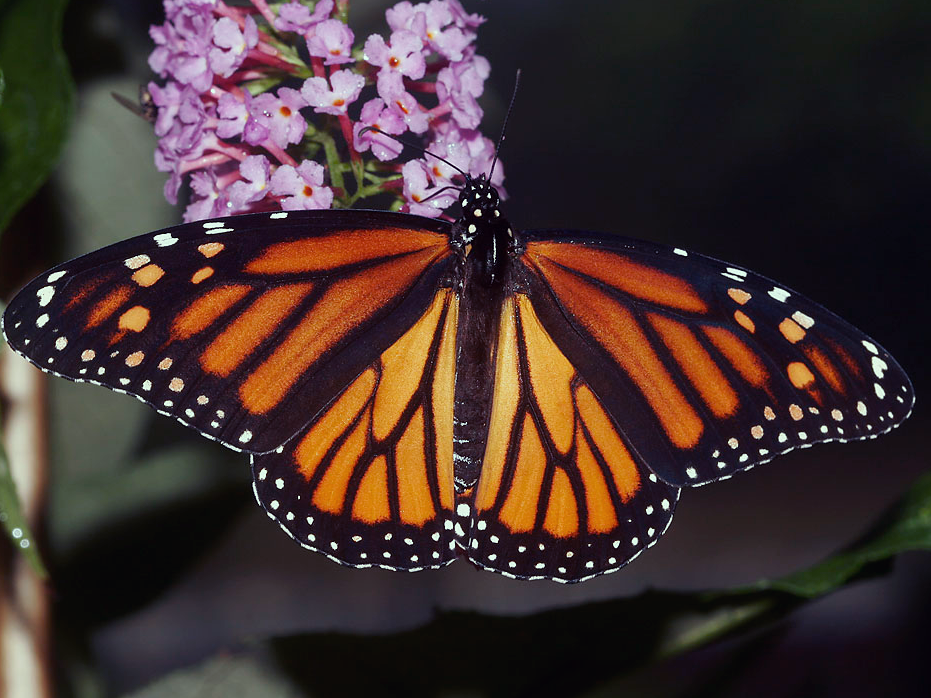
The story of the monarch butterfly is one of nature’s most extraordinary journeys—and, in recent years, one of its most worrying. For decades, scientists and conservationists have tracked a troubling decline in monarch populations across North America. But now, a wave of optimism is spreading: https://pussmoth.com/las-mariposas-monarca-regresan-a-lo-grande, signaling a powerful and hopeful comeback.
This resurgence is not just a beautiful natural event—it’s a sign that conservation efforts, environmental awareness, and ecological resilience are beginning to pay off.
A Natural Wonder: The Monarch Migration
The Monarch butterfly is famous for its incredible migration. Each year, millions of monarchs travel thousands of miles from Canada and the United States to overwinter in the forests of central Mexico.
These delicate insects can travel between 1,200 and 2,800 miles, one of the longest migrations of any insect species.
What makes this journey even more remarkable is that it spans multiple generations. The butterflies that arrive in Mexico are not the same individuals that left months earlier—yet they instinctively find the same forests their ancestors visited.
A Dramatic Comeback in 2026
After years of decline, recent data has brought encouraging news. Scientists reported that the monarch population increased by about 64% during the 2025–2026 winter season.
The butterflies occupied approximately 2.93 hectares of forest in Mexico, up from 1.79 hectares the previous year.
This significant jump has inspired headlines and excitement worldwide—proof that las mariposas monarca regresan a lo grande is not just a poetic phrase but a measurable reality.
Even more encouraging, this marks the second consecutive year of growth, suggesting that the population may be stabilizing after years of steep decline.
Why Did Monarchs Decline?
To understand the importance of this comeback, we need to look at what caused the decline in the first place.
1. Loss of Milkweed Habitat
Milkweed is the only plant where monarchs lay their eggs and where caterpillars feed. The widespread use of herbicides in agriculture has dramatically reduced milkweed availability.
2. Climate Change
Extreme weather events—such as droughts, storms, and temperature fluctuations—disrupt migration and breeding cycles.
3. Deforestation in Mexico
Illegal logging and land-use changes have damaged the forests where monarchs overwinter.
4. Pesticide Use
Insecticides harm not only pests but also beneficial insects like monarchs.
Over the past few decades, monarch populations have dropped dramatically, with some estimates suggesting declines of up to 80–90% in certain regions.
What’s Driving the Recovery?
The phrase las mariposas monarca regresan a lo grande reflects more than luck—it highlights the success of coordinated efforts across countries.
1. Conservation Programs
Organizations like the World Wildlife Fund and local governments have worked to protect monarch habitats, especially in Mexico’s overwintering forests.
2. Reduced Illegal Logging
Recent reports show a decline in forest degradation in key monarch habitats, helping stabilize populations.
3. Milkweed Restoration
Planting milkweed across the U.S. and Canada has helped rebuild breeding grounds.
4. Public Awareness
Home gardeners and communities are increasingly planting pollinator-friendly gardens, providing safe spaces for monarchs.
5. Favorable Weather Conditions
Recent seasons have provided better breeding conditions, contributing to population growth.
Why This Comeback Matters
The return of monarch butterflies is about more than one species—it reflects the health of entire ecosystems.
Monarchs are pollinators, meaning they help plants reproduce. Their presence supports biodiversity and contributes to food systems.
When we say https://pussmoth.com/las-mariposas-monarca-regresan-a-lo-grande, we’re also saying:
- Ecosystems can recover
- Conservation works
- Small actions can have big impacts
A Fragile Recovery
Despite the good news, experts caution against celebrating too soon.
Although the population has grown, it is still far below historical levels. For long-term sustainability, monarchs need a much larger habitat area—significantly more than current levels.
In fact, today’s numbers are only a fraction of what they were decades ago, when monarchs covered vast areas of forest during winter.
This means the recovery is real—but fragile.
How You Can Help Monarch Butterflies
The inspiring story of https://pussmoth.com/las-mariposas-monarca-regresan-a-lo-grande is still being written—and individuals can play a role.
1. Plant Milkweed
This is the single most important step. Without milkweed, monarchs cannot reproduce.
2. Create Pollinator Gardens
Plant flowers that bloom throughout the year to provide nectar.
3. Avoid Pesticides
Reduce or eliminate chemical use in your garden.
4. Support Conservation Efforts
Donate to or volunteer with organizations working to protect monarch habitats.
5. Spread Awareness
Educate others about the importance of pollinators.
Even small backyard actions can make a meaningful difference.
The Cultural and Emotional Impact
Monarch butterflies hold deep cultural significance, especially in Mexico, where their arrival coincides with Día de los Muertos (Day of the Dead). Many believe the butterflies represent the returning spirits of loved ones.
So when we say https://pussmoth.com/las-mariposas-monarca-regresan-a-lo-grande, it’s not just science—it’s also tradition, symbolism, and emotional connection.
Looking Ahead: The Future of Monarchs
The recent population increase offers hope, but the future of monarch butterflies depends on sustained effort.
Key priorities include:
- Expanding protected habitats
- Strengthening environmental policies
- Promoting sustainable agriculture
- Addressing climate change
If these efforts continue, the phrase https://pussmoth.com/las-mariposas-monarca-regresan-a-lo-grande could become a long-term reality rather than a temporary success.
Conclusion
The return of monarch butterflies is one of the most uplifting environmental stories of recent years. After decades of decline, their population is showing signs of recovery—proof that nature can rebound when given a chance.
Yet, this is not the end of the journey.
https://pussmoth.com/las-mariposas-monarca-regresan-a-lo-grande is both a celebration and a reminder: while progress has been made, continued action is essential to ensure these iconic butterflies thrive for generations to come.
Frequently Asked Questions (FAQ)
1. Why are monarch butterflies important?
Monarch butterflies are essential pollinators that support ecosystems and biodiversity. Their migration is also a key indicator of environmental health.
2. What does “las mariposas monarca regresan a lo grande” mean?
It means “monarch butterflies are returning in a big way,” referring to the recent increase in their population.
3. How much has the monarch population increased?
Recent reports show a 64% increase in the 2025–2026 winter population compared to the previous year.
4. Are monarch butterflies still endangered?
Yes. Despite recent growth, their population remains far below historical levels and still faces serious threats.
5. What is the biggest threat to monarch butterflies?
The biggest threats include habitat loss (especially milkweed), climate change, pesticide use, and deforestation.
6. How far do monarch butterflies migrate?
They can travel between 1,200 and 2,800 miles during their annual migration.
7. How can I help monarch butterflies at home?
You can plant milkweed, grow pollinator-friendly flowers, avoid pesticides, and support conservation programs.
8. Where do monarch butterflies spend the winter?
They overwinter in the mountain forests of central Mexico, where the climate is ideal for survival.
9. Is the monarch population fully recovered?
No. While numbers are improving, they are still below sustainable levels and require continued conservation efforts.
10. Will monarch butterflies continue to recover?
If conservation efforts continue and habitats are protected, there is strong hope that monarch populations will keep growing.