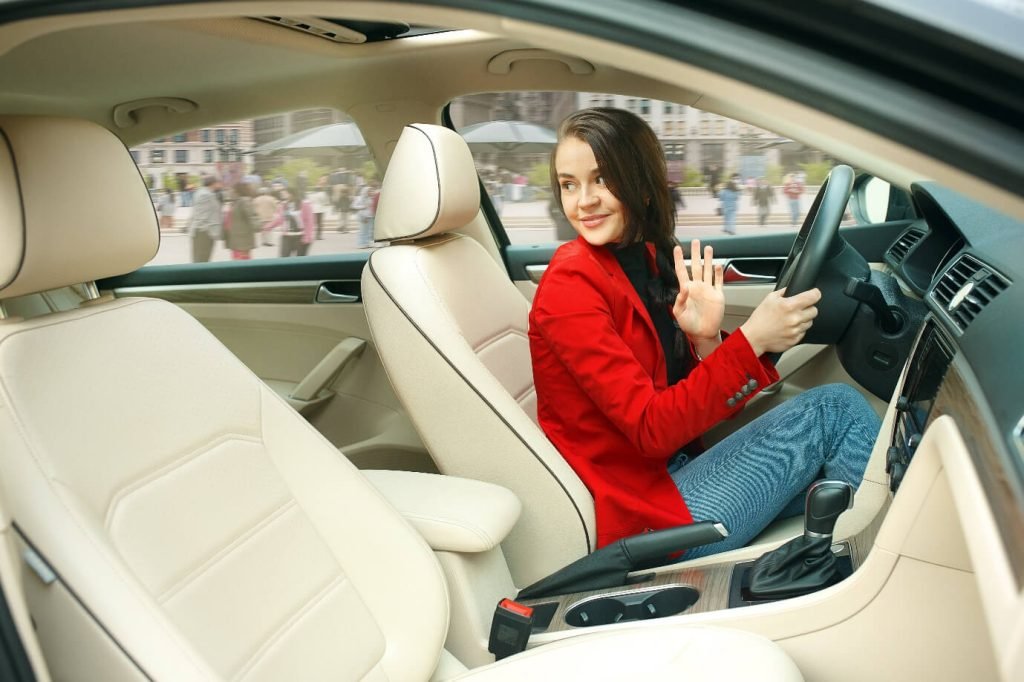
For decades, the debate between leather and leatherette car seats has divided drivers. On one side, traditionalists argue that nothing beats the smell, feel, and prestige of genuine leather. On the other hand, pragmatists champion leatherette (high-quality synthetic leather) for its durability, easy maintenance, and lower cost.
With modern automotive technology blurring the lines between these two materials, making a choice has never been more confusing—or more important. Your decision affects not only your upfront budget but also your daily comfort, resale value, and even your environmental footprint.
This complete guide will dissect every aspect of leatherette vs leather car seats, from material science to long-term wear, helping you decide which upholstery truly belongs in your next vehicle.
Chapter 1: Defining the Contenders – What Are You Really Sitting On?
Before comparing performance, we must understand what each material actually is.
What is Genuine Leather?
Genuine automotive leather is derived from animal hides—typically cowhide, though some luxury brands use buffalo or even kangaroo leather. The term “genuine leather” is actually a specific grade, not a blanket statement. In the auto industry, leather goes through a multi-step process:
-
Tanning: Raw hides are treated with chemicals (chromium salts for most modern cars) to prevent decomposition.
-
Splitting: The hide is sliced into layers. The top grain (outer layer) is the strongest and most desirable. The lower split layers are weaker and often embossed with artificial grain patterns.
-
Painting & Coating: Almost all automotive leather is spray-painted and coated with a polymer sealant. This means you are rarely touching bare, uncoated animal skin.
Key nuance: Most “leather” seats in mass-market cars (Toyota, Honda, and Ford) use only the seating surfaces (the bolsters and center panels) in genuine leather, while the sides and backs are vinyl. Full leather (the entire seat) is reserved for luxury marques like Mercedes-Benz, Bentley, or Rolls-Royce.
What is Leatherette?
Leatherette (also known as MB-Tex at Mercedes-Benz, SensaTec at BMW, or SofTex at Toyota) is a synthetic material designed to mimic leather. The most common type is PVC (Polyvinyl Chloride)-based, though newer, premium versions use PU (Polyurethane) or advanced biomaterials.
-
PVC Leatherette: Durable, water-resistant, and inexpensive. It can feel stiff in cold weather and may crack over a decade of UV exposure.
-
PU Leatherette (e.g., SofTex): Softer, more breathable, and lighter than PVC. Many PU synthetics are now vegan and contain no animal products.
-
Premium Synthetics (e.g., MB-Tex): Mercedes-Benz developed MB-Tex in the 1950s to be a long-lasting, easy-clean alternative to leather. It is famously more durable than many genuine leathers.
Leatherette is manufactured by coating a fabric backing (usually polyester or cotton) with a liquid synthetic polymer, then embossing it with a leather-like grain pattern using heated rollers.
Chapter 2: Cost Analysis – The Deciding Factor for Most Buyers
When comparing leatherette vs leather, the price difference is stark.
Upfront Purchase Price
-
Leatherette: Typically standard on base or mid-level trims. It adds little to no cost over cloth seats. On many vehicles, upgrading to leatherette costs between 500 and 1,500 as a package option.
-
Leather: A significant premium. On mass-market cars, a leather upgrade ranges from 1,500to1,500to3,500. On luxury vehicles, high-grade leather options (Nappa, Semi-aniline) can be 4,000to4,000to10,000+ standalone options.
Long-Term Value & Resale
-
Leatherette: Depreciates faster because it is seen as a “budget” material. However, if kept clean, it looks new for years. At resale time, leatherette doesn’t command a premium.
-
Leather: Historically adds 2-5% to a used car’s resale value over cloth or synthetic equivalents. However, cracked, stained, or worn leather severely reduces value—sometimes below that of well-maintained leatherette.
Verdict: If you lease or trade in every 2-3 years, leather may retain premium value. If you keep cars for 5+ years or drive in harsh conditions, leatherette is the smarter financial play.
Chapter 3: Comfort, Breathability, and Climate Performance
The “sticky back” problem is real. Both materials trap heat, but not equally.
Heat Retention
-
Leather: Genuine leather is denser and holds heat longer. In direct sunlight, black leather seats can reach 160°F (70°C). The natural pores (if uncoated) allow some heat dissipation, but almost all automotive leather is sealed with plastic topcoats, negating that benefit.
-
Leatherette: Heats up just as fast as leather, but crucially, it cools down faster once the AC is on because it is less heat-absorbent. However, cheap PVC leatherette can feel like molten plastic on bare legs in summer.
Breathability (The Sweat Factor)
This is where leatherette used to lose miserably, but technology has caught up.
-
Traditional Leather (Coated): Not breathable. The polymer topcoat seals the pores. You will sweat.
-
Premium Leather (Semi-aniline/Aniline): Extremely breathable. A very light topcoat allows moisture vapor to pass through. Found only in $70k+ vehicles.
-
Standard Leatherette (PVC): Zero breathability. It is a plastic sheet. Disgusting on long, humid drives.
-
Modern Leatherette (Perforated PU): Game-changer. Brands like Tesla’s “vegan leather” (PU) and Toyota’s SofTex use perforations (tiny holes) and micro-perforated structures that allow airflow. Some now outperform coated leather.
Cold Weather Behavior
-
Leather: Becomes stiff and hard below freezing. It can crack if flexed when cold. Heated seats warm through leather slowly but retain warmth well.
-
Leatherette: More flexible in extreme cold. Heats up almost instantly with seat heaters because the synthetic material is less dense. Does not crack in freezing temperatures like old vinyls.
Winner: Tie for modern materials. Perforated PU leatherette beats coated leather; semi-aniline leather beats all synthetics. Without perforations, both are sweaty nightmares.
Chapter 4: Durability – Which Material Lasts Longer?
Longevity is the strongest argument for leatherette.
Resistance to Wear & Tear
| Factor | Genuine Leather | Leatherette |
|---|---|---|
| Scratches | Scratches easily (fingernails, keys, dog claws) | Highly scratch-resistant |
| Cracking | Cracks after 5-10 years (dryness, UV damage) | Rarely cracks; may split at seams |
| Stretching | Stretches and sags over time | Maintains shape perfectly |
| Sun damage (UV) | Fades, dries out, cracks | Modern PU resists UV well |
| Liquid spills | Immediate staining risk | Wipe-clean, waterproof |
| Punctures | Weak point (sharp objects pierce) | Very puncture-resistant |
The “Patina” vs “Perfection” Argument
-
Leather advocates say: “Leather ages beautifully, developing a patina.”
-
Realists say: “That patina is actually dirt, body oils, and micro-cracks.”
Leather requires constant maintenance—conditioners, cleaners, UV protection. If neglected for one summer, it cracks. Leatherette requires nothing. Wash with soap and water. That’s it.
Real-world data: Taxi fleets and car rental agencies overwhelmingly choose leatherette because it survives 200,000 miles of abuse that would shred leather. Mercedes-Benz’s MB-Tex from the 1980s is still intact on many surviving W123 models, while the optional leather in those same cars has turned to crumbled dust.
Winner: Leatherette for durability by a landslide.
Chapter 5: Cleaning and Maintenance – The Practical Reality
If you have children, pets, or eat in your car, read this section closely.
Leatherette Maintenance
-
Routine: Wipe with a damp microfiber cloth and mild soap (dish soap or interior cleaner). Done.
-
Stains: Ketchup, coffee, mud, marker—all wipe off completely. No absorption.
-
Odors: Does not absorb cigarette smoke, spilled milk, or pet smells. Odors sit on top and wipe away.
-
Frequency: Clean once a month. No conditioners needed.
-
Time per cleaning: 5 minutes for all four seats.
Leather Maintenance
-
Routine: Vacuum crevices (dirt acts as sandpaper). Clean with pH-balanced leather cleaner. Condition every 3-6 months. Apply UV protectant.
-
Stains: Must be treated immediately. Oils, denim dye transfer (blue jeans stain light leather badly), and sunscreen are permanent if left.
-
Odors: Absorbs everything. A spilled latte will leave a sour milk smell for months.
-
Frequency: Light cleaning weekly, deep conditioning quarterly.
-
Time per cleaning: 30-60 minutes for proper care.
True story: A single melted crayon on a leather seat is a $500 professional repair. On leatherette, it peels off like dried glue.
Winner: Leatherette —no contest for busy families.
Chapter 6: Environmental and Ethical Considerations
Increasingly, buyers care about where their seats come from.
Leather’s Environmental Toll
-
Cattle farming: Deforestation (Amazon), methane emissions, massive water usage (15,000+ liters per hide).
-
Tanning: Chromium salts are toxic. Tanneries in developing nations pollute rivers.
-
Waste: 30-40% of a hide is trimmed and discarded.
-
Transport: Hides travel globally (Brazil → China → Germany → USA).
Leatherette’s Environmental Toll
-
Petrochemicals: PVC is oil-based, non-biodegradable, and releases dioxins during production.
-
Plastic pollution: At the end of its life, it sits in landfills for centuries.
-
Recyclability: Very difficult to recycle due to the fabric backing.
The New Frontier: Bio-Based Leatherette
-
BMW uses 人造皮革 made from olive leaf extracts and recycled fishing nets.
-
Tesla uses a PU “vegan leather” with a reduced carbon footprint.
-
Volvo offers Nordico, a material made from recycled PET bottles and bio-attributed polymers.
Ethical choice: If you are vegan, leatherette is the only option. If you are an environmental purist, both are bad. The least-worst option today is a high-quality PU leatherette with recycled content.
Chapter 7: Aesthetic and Sensory Experience – Smell and Feel
This is where leather still wins hearts, but the gap is closing.
The Smell
-
Leather: That famous “new car smell” is partially leather tannins, adhesives, and plastics. Genuine leather has a rich, organic, slightly sweet scent.
-
Leatherette: Smells like a new shower curtain or pool float when new. This off-gassing fades within weeks. Higher-end synthetics now include leather-scented additives.
The Feel
-
Leather: Warmer, softer, and more supple to the touch. It has natural grain variation—smooth in one spot, slightly textured in another.
-
Leatherette: Uniform, slightly cool, and “plasticky” on cheap versions. Premium PU leatherette (e.g., in a Tesla Model 3) feels 90% like leather to blind touch.
Visual Quality
-
Leather: Imperfections (scars, stretch marks) add character. High-end leather has a matte, natural sheen.
-
Leatherette: Perfectly uniform grain. Can look “too perfect” and artificial. However, embossing technology now replicates even the finest leather grains.
Winner for purists: Leather, unequivocally. Winner for pragmatists: Leatherette is indistinguishable to 95% of passengers in a moving car.
Chapter 8: Which Should You Choose? A Decision Matrix
Answer these five questions honestly.
| Question | If YES → Leather | If YES → Leatherette |
|---|---|---|
| 1. Do you have children under 10 or large dogs? | ❌ No | ✅ Yes |
| 2. Do you keep your car longer than 5 years? | ❌ No (unless you religiously maintain) | ✅ Yes |
| 3. Is the premium aroma and tactile luxury worth $2k+ to you? | ✅ Yes | ❌ No |
| 4. Do you live in a hot, humid climate without ventilated seats? | ❌ No (sticky) | ✅ Yes (if perforated) |
| 5. Do you eat, drink coffee, or transport messy cargo daily? | ❌ No | ✅ Yes |
Specific Recommendations
-
Buy Leather if you lease, garage your car, wear only soft cotton, and value a premium resale and the sensory ritual.
-
Buy leatherette if you have kids, live in extreme climates, hate cleaning interiors, or want maximum resale durability (ironically, leatherette looks newer longer).
-
Compromise: Look for perforated PU leatherette with ventilation. It outperforms coated leather in every metric except smell.
FAQ: Leatherette vs Leather Car Seats
Q1: Is leatherette real leather?
A: No. Leatherette is 100% synthetic—typically PVC or polyurethane coated over a fabric backing. It contains no animal hides.
Q2: Which lasts longer, leatherette or leather?
A: Leatherette lasts significantly longer in real-world conditions. Quality leatherette (e.g., MB-Tex) easily survives 15-20 years without cracking, while leather typically shows wear at 5-7 years and cracks by year 10 without meticulous care.
Q3: Are leatherette seats hot in summer?
A: Yes, both get hot. However, leatherette cools down faster once AC is on. Perforated leatherette breathes as well as coated leather. Ventilated (cooled) seats make both equally comfortable.
Q4: Can you repair ripped leatherette?
A: Difficult but possible. Small tears can be patched with vinyl repair kits. Large rips require seat cover replacement. Leather, conversely, can be professionally re-dyed and stitched more easily.
Q5: Is leatherette good for dogs?
A: Excellent. Dog claws do not scratch leatherette. Fur vacuums off easily, and drool wipes clean. Leather, however, will show claw marks immediately.
Q6: Does leatherette crack in cold weather?
A: Modern PU leatherette remains flexible down to -20°F (-30°C). Old PVC leatherette could crack, but that material is rarely used in post-2015 vehicles. Leather is more prone to cold cracking.
Q7: Which is more environmentally friendly?
A: Neither is ideal. Leather has massive agricultural and chemical tanning impacts. Leatherette is plastic. The best current option is recycled PU leatherette (e.g., BMW’s Sensatec with ocean plastics).
Q8: Do luxury cars use leatherette?
Yes! Mercedes-Benz (MB-Tex), BMW (Sensatec), and Lexus (NuLuxe) all offer premium synthetics as standard or optional. Many buyers actually prefer MB-Tex over genuine Mercedes leather for its durability.
Q9: Can you tell the difference by looking?
In most cars, no. Mass-market leatherette is embossed with such accurate grain patterns that only touching the material (cool, uniform texture) reveals its synthetic. High-end leather has a slightly irregular grain.
Q10: Should I pay extra for leather?
Only if three things are true: 1) You genuinely love the smell and feel. 2) You will condition the seats every 3 months, and 3) You park in a garage or use a sunshade religiously. Otherwise, save your money and get leatherette.
Final Verdict: Leatherette Wins for 80% of Drivers
After a thorough comparison, leatherette is the smarter, more practical choice for the majority of car owners. It cleans effortlessly, survives years of abuse, costs thousands less upfront, and—in its modern PU form—feels nearly identical to coated leather.
Leather remains a pleasure for enthusiasts, a status symbol for luxury buyers, and a genuine joy for those who enjoy maintenance as a ritual. But for the parent shuttling soccer players, the commuter eating breakfast behind the wheel, or the dog owner heading to the park, leatherette isn’t a compromise—it’s an upgrade.
The keyword “leatherette vs leather” will continue to be searched by confused buyers. Now you have the clarity to choose correctly. Your wallet, your backseat, and your future self will thank you for skipping the leather premium.