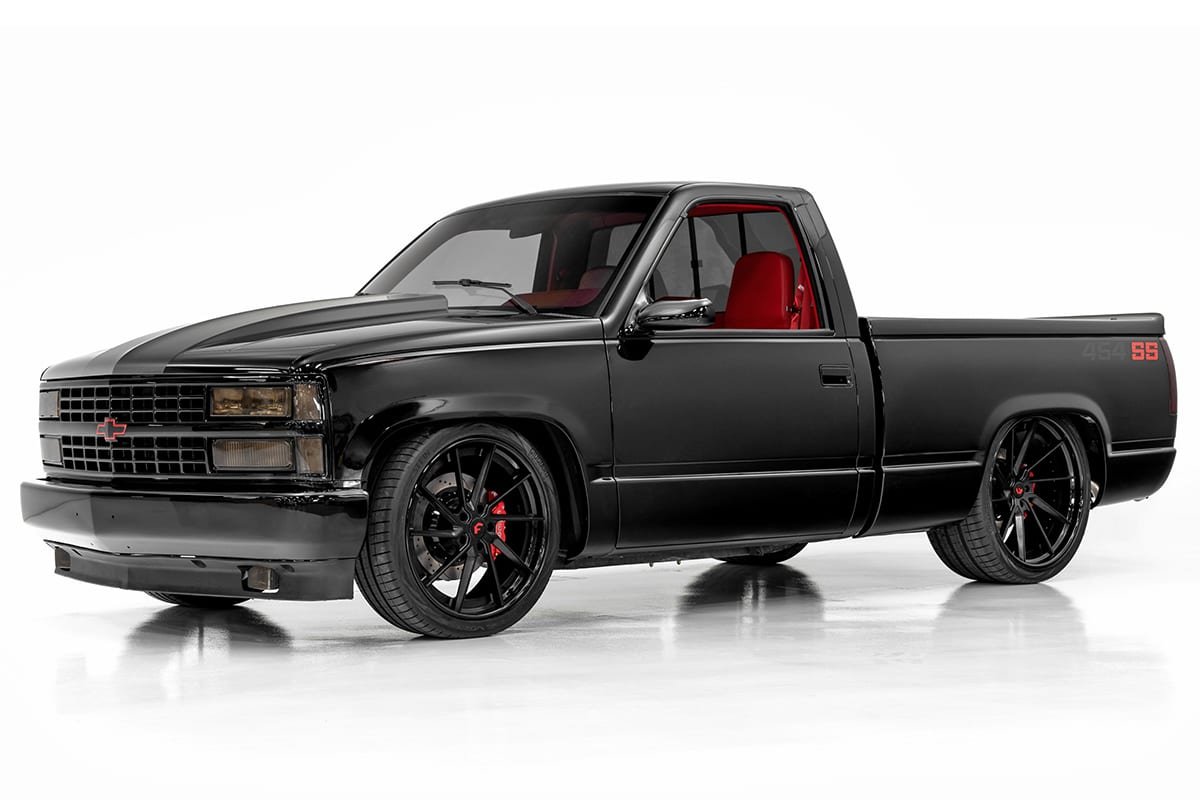
If you have spent any time scrolling through automotive forums, attending classic car auctions, or even just browsing online marketplaces for a used pickup, you have likely encountered the acronym “OBS.” To the uninitiated, it might sound like technical jargon or an obscure factory code. However, in the world of automotive enthusiasts, specifically truck lovers, these three letters represent a golden era of design, simplicity, and raw, unapologetic American engineering.
So, what does OBS truck mean? Simply put, OBS stands for “Old Body Style.” It is a term coined by gearheads to describe the generation of pickup trucks produced primarily throughout the 1990s, characterized by their boxy silhouettes, rugged construction, and relative lack of complex electronics compared to modern vehicles.
In this comprehensive guide, we will explore the origins of the OBS phenomenon, the specific models that defined the era, why these trucks are currently exploding in popularity, and what you need to know if you are thinking of buying one. Whether you are a seasoned collector or a curious beginner, this article will explain everything you need to know about the undeniable charm of the OBS truck.
Defining the Era: The Core Meaning of OBS
When asking what does OBS truck mean, the most straightforward answer is chronological. The OBS designation generally refers to pickup trucks manufactured between 1988 and 1998 (or 2000, depending on the manufacturer).
Before this era, trucks like the Chevrolet “Square Body” (1973–1987) and the Ford “Dentside” (1970s) were often referred to as “OOBS” (Old Old Body Style) or simply classic trucks. The period after OBS—starting around 1999 with the Ford Super Duty and 1999-2000 for the GM GMT800 platform—is known as NBS (New Body Style).
The “OBS” era is defined by three specific traits:
-
The Boxy Aesthetic: Unlike today’s aerodynamic, curved designs, OBS trucks feature flat body panels, squared-off wheel wells, and upright grilles.
-
The “Simple” Interior: These trucks predate the massive infotainment screens and complex driver-assist systems. You get vinyl or cloth seats, physical buttons, and often, manual windows.
-
The Mechanical Simplicity: These trucks were built before the widespread integration of CAN-bus systems, cylinder deactivation (like GM’s AFM/DOD), and overly complex emissions equipment.
Enthusiasts love the OBS generation because it represents a “sweet spot”—new enough to have reliable fuel injection and overdrive transmissions, but old enough to be fixed in a driveway with a basic set of wrenches.
The Heavy Hitters: Iconic OBS Models
To truly understand what does OBS truck mean, you have to look at the specific vehicle that carries the badge. While the term can apply to various makes, the conversation is dominated by the “Big Three” American manufacturers. However, the definition of OBS varies slightly between the blue oval and the bowtie.
1. Chevrolet and GMC (GMT400 Platform – 1988 to 1998)
When most people ask what does OBS truck mean, they are often looking at a Chevrolet Silverado or GMC Sierra from this era. General Motors introduced the GMT400 platform in 1988 to replace the long-running Square Body trucks.
-
The Look: This generation is famous for its clean, rounded (yet still boxy) lines, quad-square headlights (pre-1994), and aerodynamic mirrors.
-
The Models: Chevy C/K (C for 2WD, K for 4WD), GMC Sierra, and the iconic SUVs like the Chevrolet Suburban/Tahoe and GMC Yukon.
-
Key Trims: The hierarchy was Cheyenne (base work truck), Scottsdale (mid-range), and Silverado (luxury).
-
The Holy Grail: The 454 SS (Sport Side). Produced from 1990 to 1993, this was a high-performance street truck featuring a massive 7.4L V8 engine, unique wheels, and a sporty monochromatic look.
2. Ford F-Series (7th, 8th, and 9th Generations – 1980 to 1997)
Ford’s OBS timeline is slightly more stretched, but the most desirable years fall into the late 80s and 90s.
-
The Aerodynamic Revolution (1987–1991): The 8th generation Ford brought “aero-style” headlights and a more streamlined front end.
-
The Finale (1992–1997): The 9th generation is what most Ford fans call OBS. It features a slightly rounded hood, a large chrome grille, and the introduction of the Power Stroke diesel in 1994.5.
-
The Legend: The Ford F-250 and F-350 from this era are particularly revered for their rugged “brick nose” or “aero nose” styling and the bulletproof 7.3L IDI (International) diesel engine.
3. Dodge Ram (First Generation – 1981 to 1993)
While not as frequently labeled “OBS” in popular culture as the Fords and Chevys, the first-generation Dodge Ram certainly fits the description. However, the most famous “old” Dodge is the 1994–2002 “Second Gen.” Interestingly, because the 1994 Dodge was a complete redesign (the big-rig look), it is often classified by fans as the start of the “NBS” era for Dodge, while the boxy 1993 and older models are the true OBS Rams.
Why the Sudden Explosion in Popularity?
If you have noticed that prices for these 30-year-old trucks are climbing faster than some new cars, you are not imagining it. The question isn’t just what does OBS truck mean, but why are they valuable now?
The Nostalgia Factor
The primary driver of OBS truck popularity is demographics. Millennials and Gen Xers are now at an age where they have disposable income. These are the trucks they saw in MTV music videos, drove in high school, or rode in the back of as kids. As Bryan Grigsby of Holley Performance notes, “It’s the truck version of a Fox-body Mustang… you wanted one back in high school but couldn’t afford it, and now you’ve got a few bucks in your pocket.”
The “Anti-Tech” Movement
Modern trucks are incredible pieces of technology, but they are also incredibly expensive (60,000–90,000) and filled with expensive sensors, touchscreens, and emissions systems that are costly to repair. OBS trucks offer a therapeutic simplicity. No lane-keeping assist, no automatic emergency braking—just you, the road, and the rumble of a V8.
Customization and Aftermarket Support
The OBS platform is a dream for builders. Because the trucks are body-on-frame and mechanically simple, they are easy to modify.
-
LS Swap Ready: OBS Chevys are the #1 candidate for “LS swapping” (dropping a modern 5.3L or 6.0L GM engine in for reliability and power).
-
Simple Lifts: Lifting an OBS truck is significantly cheaper and easier than leveling a modern independent front suspension truck.
-
Parts Availability: You can still walk into most auto parts stores and get parts for a 1994 Chevy 350 small block.
Lower Entry Cost (Relatively)
While prices are rising, you can still find a running, driving OBS truck for 5,000–10,000. Try finding a running classic 1960s truck for that price. As stated in enthusiast guides, these trucks are “old enough to be inexpensive, but not so precious that they command a Square Body-like premium”.
Benefits vs. Drawbacks: The Reality of Ownership
Before you rush out to buy one, you need to understand the trade-offs. To fully answer what does OBS truck mean, you must look at the daily reality of owning one.
| Feature | Benefit (The Good) | Drawback (The Bad) |
|---|---|---|
| Styling | Timeless, rugged, boxy aesthetic that stands out from modern jellybean shapes. | Aerodynamics are poor; they catch wind on the highway and get blown around. |
| Maintenance | Easy to work on. You can diagnose most issues with a test light and a vacuum gauge. | They are 30 years old. Expect dry rotted hoses, leaking gaskets, and rusty bolts. |
| Cost | Purchase price is low; insurance is cheap. | Fuel economy is terrible (expect 10–15 MPG); parts add up if chasing reliability. |
| Tech | No subscription fees, no screen glare, no data tracking. | No Bluetooth, no backup camera (usually), and the AC likely runs on R12 refrigerant. |
| Utility | True truck utility; metal bumpers that can take a hit. | Safety tech is ancient. No side airbags, poor crumple zones, and vague braking. |
Expert Tip: If you are looking at a GMT400 (Chevy/GMC), pay close attention to the fuel injection “spider” unit on the Vortec engines (1996-1998) and the interior dash cracks, which are almost guaranteed. For Ford owners, check the Twin Traction Beam (TTB) front suspension on 4x4s, which can eat tires if not aligned properly.
The Verdict: Is an OBS Truck Right for You?
By now, what does OBS truck mean should be clear: it means commitment to a specific aesthetic and mechanical era. It means choosing character over convenience.
You should buy an OBS truck if:
-
You are a DIY mechanic or are willing to learn.
-
You want a weekend cruiser or a second vehicle, not a sole daily driver in harsh winter salt.
-
You appreciate the raw, unassisted driving feel (no electric power steering numbness).
-
You want to build a custom show truck or off-road rig without voiding a warranty on a $70,000 new truck.
You should avoid an OBS truck if:
-
You need maximum safety ratings for family hauling.
-
You hate the smell of gasoline, oil, and old upholstery.
-
You cannot tolerate fixing something every few months.
The “OOBS” Distinction
While researching what does OBS truck mean, you might stumble upon the term “OOBS.” This stands for Old Old Body Style.
-
Example: A 1985 Chevrolet Square Body.
-
Why the distinction? OOBS trucks are generally those built before 1988. They lack fuel injection (most are carbureted) and have solid front axles (a rougher ride) and are even more “classic” but less suited for daily highway driving than the OBS generation.
Actionable Takeaways for Buyers
If you are ready to dive into the OBS market, keep these actionable steps in mind:
-
Check the Frame for Rust: Bodies can be fixed; frames cannot. Look for rot near the rear shackles and steering box.
-
Prioritize the Transmission: On GM models, the 4L60E transmission is a weak point at high mileage. Look for service records. The 4L80E (found in 3/4-ton trucks) is vastly superior.
-
Decide on Your Drivetrain Goal: Do you want a cheap beater (4.3L V6 or 5.0L V8), a reliable cruiser (5.7L Vortec or 5.8L Ford), or a collector’s piece (7.4L 454 or 7.3L Powerstroke)?
-
Look for “Grandpa Spec”: The best OBS trucks are often unmodified, one-owner vehicles found in rural areas. Avoid heavily modified trucks unless you trust the builder.
Conclusion
So, what does OBS truck mean in the automotive world today? It means opportunity. It represents a last chance to own a vehicle that is genuinely analog, immensely stylish, and increasingly rare. While modern trucks win on paper with horsepower and fuel economy, OBS trucks win on character. They are the physical embodiment of 1990s optimism—rugged, straightforward, and honest.
Whether you are looking to relive your youth, build a show-stopping custom rig, or simply escape the sea of bland, silver crossovers on the road, the OBS truck is a fantastic choice. Just remember: you aren’t buying an appliance; you are buying a hobby. And it is one of the most rewarding hobbies the automotive world has to offer.
Takeaway: Start searching classifieds for 1988–1998 Chevy/GMC or 1992–1997 Ford trucks. Inspect them for rust, verify the transmission health, and prepare to own a piece of automotive history that will turn heads for decades to come.