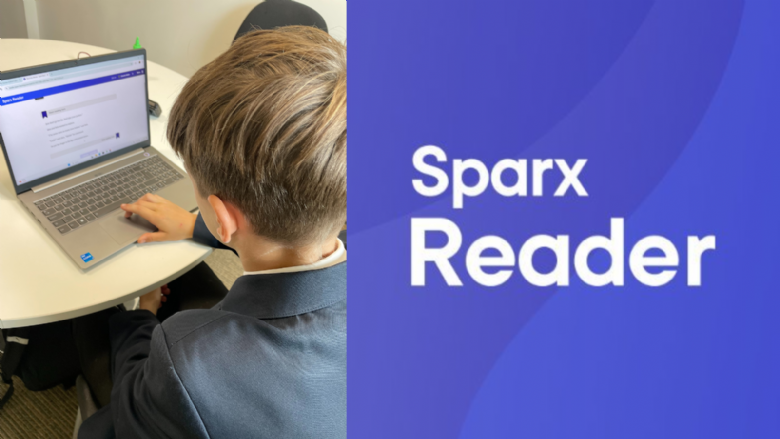
In an era where reading for pleasure is in decline and screen time dominates, educators face a significant challenge: how to build consistent, careful reading habits in students. Sparx Reader, a digital reading platform used by over 2,600 schools worldwide, has emerged as a powerful solution to this problem. With students logging over 5.4 million hours of careful reading and completing more than 1.7 million books, the platform’s impact is measurable and significant.
Understanding Sparx Reader’s Core Design
Sparx Reader is built on a simple but powerful principle: regular, careful reading practice, with accountability built in. Unlike traditional reading homework, where teachers must trust that students have read, Sparx Reader makes reading visible and measurable. The platform combines a curated e-book library with regular comprehension checks, ensuring students are not just decoding words but actively engaging with the text.
The platform’s design supports the development of strong reading habits through several key mechanisms:
Personalised Book Selection: Students complete an initial reading assessment that determines their Sparx Reading Level (a scale from 1 to 9). Books are then matched to this level, ensuring appropriate challenge without frustration..For example, a student at Level 1-2 (Reading Age 5-7) receives accessible texts with simpler comprehension tasks, while Level 9+ students (Reading Age 15+) can access more challenging literature.
Accountability Through Comprehension Checks: Books are divided into sections, and at the end of each section, students answer questions to verify that they have read carefully. To pass the check, students must answer the majority of questions correctly (typically 3/4 or 4/5 correct). This encourages active reading rather than passive scrolling.
Motivation Through Points and Rewards: Students earn Sparx Reader Points (SRP) for passing comprehension checks. Crucially, SRP is personalised to each student’s reading speed, with approximately 10 SRP equating to one minute of careful reading..This levels the playing field, ensuring weaker readers have the same opportunity to succeed as stronger readers.
Building Consistent Reading Habits Through Weekly Homework
One of the most effective ways to use Sparx Reader to improve reading skills is through its structured homework system. The platform automatically sets weekly reading targets, helping students develop the discipline of regular reading.
Homework is typically set on Thursdays and due the following Wednesday, with a target of 300 SRP per week (roughly 30 minutes of careful reading). This consistent rhythm helps transform reading from an occasional activity into a routine habit.
For students who struggle to complete homework, teachers can use the platform’s monitoring tools to identify issues early. The Hand-in page shows each student’s total SRP earned, accuracy rates, and activity timeline, providing clear evidence of who is struggling and why. If a student consistently fails checks, it often indicates rushing or skim-reading—a problem that can be addressed through direct intervention.
Teachers can support struggling students by:
-
Using the Student Demo to model careful reading techniques
-
Encouraging students to rate their books—if a book is too difficult, students can indicate this and be offered an easier title.
-
Manually adjusting a student’s reading level if the platform has overestimated their ability.
-
Setting half-length homework temporarily for students who are overwhelmed
Developing Comprehension Through Active Reading
Reading comprehension is not a passive skill—it requires active engagement with the text. Sparx Reader promotes this engagement in several ways.
The platform’s comprehension questions are designed to focus on central narrative threads, recurring themes, and prominent character traits, rather than insignificant details. This helps students learn what to pay attention to when reading. As students become accustomed to being asked about character feelings or plot developments, they naturally start to pay closer attention to these elements.
For weaker readers, questions appear more frequently—sometimes as often as every 50-100 words—providing regular check-in points and feelings of success. The language used in questions is also pitched at the same level as the text itself, ensuring students aren’t penalised for vocabulary they haven’t encountered.
The contextual definitions feature is another powerful comprehension tool. When students click on an unfamiliar word, they receive a definition within the context of the passage they are reading. This supports vocabulary acquisition without breaking the flow of reading, helping students build the 95% word recognition that research suggests is necessary for text comprehension.
Supporting All Readers: From Struggling to Advanced
Sparx Reader is designed to support readers across the ability spectrum, with features tailored to different needs.
Supporting Struggling and Reluctant Readers
For students with low reading ages, the platform offers significant advantages:
High Interest, Low Reading Age (Hi-Lo) Books: These books handle mature content while remaining accessible, making them appealing to older students who might be embarrassed by “babyish” texts. The e-book format also provides privacy, concealing what a student is reading from their peers.
Simplified Question Formats: For students at the lowest reading levels, questions differ to manage cognitive load. For example, rather than including “not in story” distractors, gap-fill options are provided with all distractors lifted from the text itself.
Levelled Rewards: Because SRP is adjusted for reading speed, weaker readers have the same likelihood of earning points as stronger readers, preventing discouragement.
Challenging High-Attaining Readers
Strong readers also benefit from the platform. Students with reading ages over 14 are offered a wider range of books, including more contemporary texts alongside classics, to foster greater enjoyment of reading.
The Gold Reader system provides additional motivation for strong readers. When students consistently read beyond their weekly homework requirement, they earn gold stars. After earning five gold stars, they receive a Gold Reader pass, allowing them to read physical books and earn SRP by maintaining a reading log. This system bridges the gap between digital and traditional reading, rewarding independent reading habits.
The Teacher’s Role: Monitoring and Intervention
While Sparx Reader automates much of the homework process, teacher involvement remains crucial for maximising impact.
Teachers can use the platform’s reporting features to gain powerful insights into student reading behaviour. The Insights page and Hand-in page provide real-time data on who is reading, who is struggling, and who is thriving. Teachers can see exactly what books students are reading, how quickly they’re reading, and which comprehension questions they’re getting right or wrong.
This visibility enables targeted intervention. For example:
-
If a student consistently fails checks, the teacher can encourage more careful reading
-
If a student is taking much longer than expected to complete homework, the teacher can investigate whether they are struggling with comprehension or simply rushing.
-
If a student consistently reads well beyond the weekly target, the teacher can celebrate their achievement and potentially recommend the Gold Reader system.
Teachers can also recommend specific books to individual students, directing them to texts that might better match their interests or development needs. This personal touch can significantly enhance engagement.
Engaging Parents in the Reading Journey
Parental involvement is critical for reading development, and Sparx Reader provides tools to facilitate this. Automated parent emails keep families informed about their child’s reading progress, and data shows that turning on parent emails significantly impacts homework completion.
The PEER model offers a useful framework for parents discussing books with their children :
-
Prompt the child to talk about the book (e.g., “What was your favourite part?”)
-
Evaluate their response by showing interest and acknowledging their thoughts
-
Expand on their response by adding details or rephrasing what they said
-
Repeat the prompt to reinforce understanding and encourage deeper thinking
While some parents express concerns about screen time, Sparx Reader argues that its structured approach represents a productive use of screen time—encouraging slow, focused reading rather than the skimming and scrolling typical of social media.
Frequently Asked Questions
General Questions
What devices can Sparx Reader be used on?
Sparx Reader works on most internet-connected devices, including laptops, tablets, and smartphones. Supported browsers include Google Chrome (preferred), Mozilla Firefox, Safari, and Microsoft Edge. It is accessed through a web browser rather than an app.
Is Sparx Reader just for homework?
While Sparx Reader is primarily used for weekly homework, students can also read additional books for pleasure. Extra reading earns SRP that can backfill previous incomplete homework, and students who read enough can unlock Gold Reader privileges.
What types of books are available?
The Sparx Reader library includes a wide range of fiction, from contemporary stories to classic literature. There are also High Interest, Low Reading Age (Hi-Lo) books for struggling readers. Non-fiction is limited due to design constraints around question format and reading experience.
How does Gold Reader work?
Gold Reader is a reward for consistent readers. Students who earn five gold stars (each earned by reading 300 SRP beyond their homework requirement) receive a Gold Reader pass valid for five weeks. With this pass, students can read physical books and earn SRP by maintaining reading logs.
Can students catch up on missed homework?
Yes, students can catch up on up to six previous homework assignments. Extra SRP earned from additional reading automatically backfills the most recent incomplete homework first.
Troubleshooting Questions
What if a student finds their books too difficult?
Students can rate a book as “much too difficult,” which will trigger an offer to swap for an easier title. Teachers can also manually lower a student’s Sparx Reading Level if needed.
Why do some students consistently fail comprehension checks?
This often indicates rushing or skim-reading. Students should be encouraged to slow down and read more carefully. Teachers can observe reading behavior directly and use the student to model careful reading techniques.
What if students take much longer than expected to complete homework?
Check their accuracy ratings and activity timeline. If they’re frequently failing checks, focus on developing careful reading habits. Teachers might consider setting half-length homework temporarily while students build their skills.
Can parents and teachers see what students are reading?
Yes, teachers have full visibility through the hand-in page and insights page, showing exactly which books students are reading and their progress. Parents receive automated updates through weekly emails.
What accessibility features are available?
Sparx Reader includes dyslexia-friendly fonts, colour overlays, reading rulers, and contextual definitions. Students can adjust these settings to suit their needs.
Conclusion
Sparx Reader offers a structured, evidence-based approach to building reading skills through consistent practice, accountability, and personalized support. By making reading visible and measurable, the platform empowers teachers to intervene effectively while motivating students to develop the careful reading habits essential for academic success.
The platform’s success lies in its ability to balance structure with flexibility—providing enough guidance to support struggling readers while offering enough autonomy to engage stronger readers. Used effectively, Sparx Reader can be a powerful tool for improving reading skills and fostering a genuine love of reading.