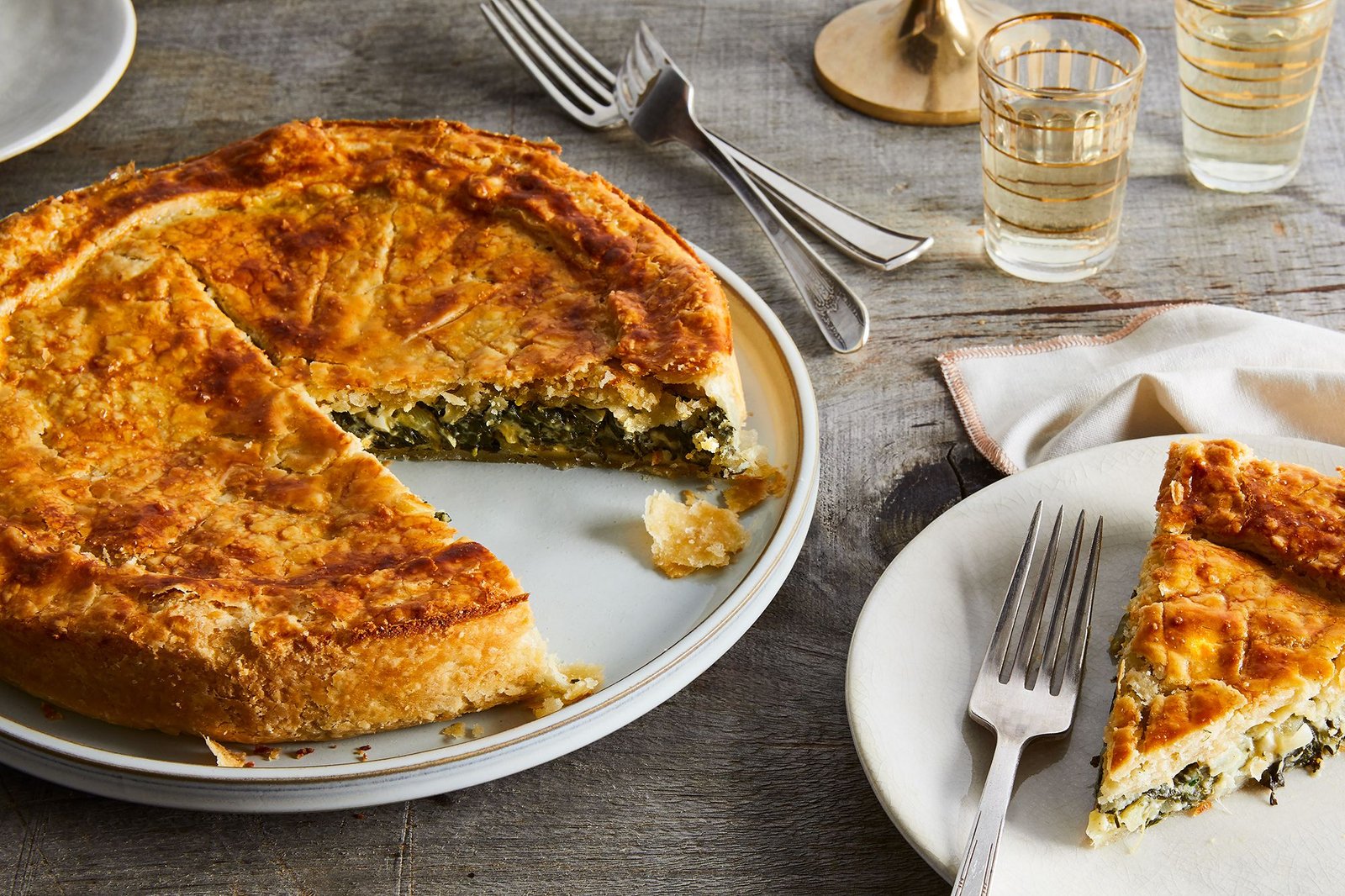
Searching for the “best tarta de acelga near me” is the start of a delicious journey. For the uninitiated, tarta de acelga is a savory Swiss chard pie, a beloved staple in Argentine and Latin American cuisine. It’s a dish that represents comfort food at its finest: a flaky, buttery pastry crust enveloping a savory, creamy filling of seasoned chard, onions, and cheese. This isn’t just a side dish; it’s a complete, satisfying meal often enjoyed as a light lunch or casual dinner
Finding an authentic, well-made version, however, requires more than a simple Google search. You need to know where to look, what to look for, and how to identify a truly exceptional tarta de acelga. This guide will walk you through everything you need to know, from the best places to search to the key markers of quality.
What is Tarta de Acelga? A Culinary Staple
Understanding what makes a great tarta de acelga is the first step to finding one. This savory pie is straightforward in concept but requires skill to execute well. It’s a dish deeply rooted in Argentine home cooking, often featuring on family tables and in casual neighborhood eateries.
The Essential Components of an Authentic Tarta de Acelga
The magic of tarta de acelga lies in its simple yet perfectly balanced ingredients:
-
The Pastry (La Masa): The crust is a crucial element. It should be tender and flaky, but sturdy enough to hold the filling without becoming soggy. A great tarta uses a well-made pastry, often a pascualina-style dough, that bakes to a beautiful golden brown Ba. Bakeries and restaurants specializing in savory baked goods often have superior pastry technique.
-
The Filling (El Relleno): This is where the dish gets its soul.
-
Swiss Chard (Acelga): The star of the show. The chard is thoroughly washed, its stems removed, and the leaves are typically blanched or sautéed to remove excess moisture. This step is critical to prevent a watery pie.
-
Aromatics: Sautéed onions and sometimes garlic form a flavorful base, often with a touch of red bell pepper (morrón) for sweetness
-
Cheese: A mild, creamy white cheese is used to add richness. Queso fresco, mozzarella, ricotta, or a combination is a common choice.
-
The Binder: Beaten eggs are mixed into the filling, creating a creamy texture that holds everything together as it bakes. Some recipes also include a simple béchamel sauce for extra creaminess.
-
Tarta de Acelga vs. Its Variations (Tarta Pascualina, Tourte de Blettes)
While the focus is on the Argentine tarta de acelga, it’s helpful to know its cousins. The Tarta Pascualina is a similar dish, but it traditionally includes whole hard-boiled eggs layered within the filling, making it more substantial. In France, a similar dish is known as Tourte de Blettes Provençale, a savory pie from Provence that may incorporate different herbs and cheeses. This context helps you spot high-quality, authentic versions.
How to Find the Best Tarta de Acelga Near You
Knowing what a great tarta is and where to find it are two different things. Searching for “best tarta de acelga near me” directly might not yield the best results. The dish is a specialty item, and finding it requires a more strategic approach.
Why a Simple Search Isn’t Enough
Tarta de acelga isn’t a mainstream menu item, even in cities with a significant Argentine population. Standard search engines might direct you to generic Latin American restaurants, which may not serve it or might have an inauthentic version. The search yields better results when you know the types of establishments that are most likely to specialize in this dish.
1. Look for Argentine and Latin American bakeries.
Bakeries that specialize in empanadas and other savory baked goods are a goldmine for finding authentic tarta de acelga. These establishments often make their pastries from scratch daily and understand the dough and baking techniques needed for a superior pie. These are often family-run businesses where recipes have been passed down for generations.
2. Search for Argentine Restaurants, Not Just “Latin American”
An Argentine-focused restaurant is your best bet for an authentic experience. A kitchen dedicated to this cuisine will naturally understand how to prepare tarta de acelga properly. Look for the following indicators:
-
Heritage: Menus that emphasize Argentine heritage or that are located in known Argentine neighborhoods are promising signs.
-
Menu Specificity: A restaurant that lists tarta de acelga separately from “vegetable pie” shows a deeper commitment to authentic cuisine.
3. Leverage Community and Niche Forums
The best recommendations often come from people within the community. Facebook groups or Reddit forums dedicated to your city’s Argentine or Latin American community can provide invaluable, up-to-date information. Asking “Where can I find the best tarta de acelga near me?”In these spaces will likely yield passionate and reliable responses.
How to Evaluate a Good Tarta de Acelga: What to Look For
Once you’ve found a potential source, evaluating the quality of their tarta de acelga is crucial. A mediocre version is a soggy, flavorless mess, while a good one is a revelation.
Signs of Quality (Flaky Pastry, Moist Filling)
A genuinely good tarta de acelga will exhibit these key characteristics:
-
The Pastry is Golden and Flaky: The crust should be a deep golden brown and should shatter or flake when you cut into it, not be limp or doughy. This indicates proper baking and a good recipe.
-
The Filling is Moist but Not Waterlogged: The chard should be tender but still have some texture. The filling as a whole should be creamy and cohesive, not a pool of liquid that soaks the bottom crust. This is a sign that the chard was properly pre-cooked and drained.
-
The Seasoning is Balanced: A great tarta has a savory, well-seasoned filling. The natural earthiness of the chard should be enhanced by the salt, pepper, and nutmeg and complemented by the creamy, mild cheese.
Red Flags to Avoid
When you’re looking for the best tarta de acelga, it’s just as important to know what a bad one looks like.
-
Soggy Pastry: This is the number one sign of a poorly executed tarta. It suggests the filling was too wet or the crust was undercooked.
-
Bland, Unseasoned Filling: Chard has a naturally mild, slightly bitter flavor that requires seasoning. A filling that lacks salt, pepper, and a hint of nutmeg will be flat and unappealing.
-
Watery or “Spinach-like” Texture: A good tarta features distinct leaves of chard, not a mushy, undifferentiated green paste. The chard should be identifiable.
Top-Rated Cafés and Bakeries: What to Look For
While we can’t list specific names due to the “near me” nature of the search, we can define the hallmarks of a top-rated establishment.
What Reviews Say About a Good Tarta de Acelga
When scanning online reviews, look beyond general praise like “great food.” Pay close attention to specific descriptors:
-
“Flaky crust” or “perfect pastry” is an excellent sign
-
“Well-seasoned” or “delicious, savory filling” indicates the kitchen knows how to flavor the dish.
-
“Light but satisfying” is a common way to describe a good tarta that’s not too heavy.
-
Look for mentions of the acelga specifically; comments like “the chard filling was spot on” or “came with a beautiful green salad” are positive indicators.
The Importance of Freshness and Daily Preparation
The best places make their tarts fresh daily. An authentic tarta is a home-style dish; it’s not meant to be pre-packaged or frozen. Ask the staff if the tarta was made that day. A positive answer is a strong sign that you’re about to eat something special.
Making It at Home: A Simple Recipe for Tarta de Acelga
If your local search for the best tarta de acelga comes up short, or if you simply want to try your hand at it, making one at home is a rewarding experience. The process is simple, and the results are incredibly satisfying.
Ingredients:
-
1 package of pre-made pie crust rounds (2 crusts) or your favorite pastry dough
-
2 large bunches of Swiss chard (white stems are often preferred)
-
1 small onion, chopped
-
1 tablespoon olive oil
-
1 cup shredded mozzarella or queso cremoso
-
2 hard-boiled eggs, peeled and sliced (optional, for a ‘Pascualina’ style)
-
Salt, pepper, and a pinch of nutmeg to taste
-
1 egg, beaten (for egg wash)
Instructions:
-
Preheat & Prep: Preheat your oven to 350°F (175°C). Thoroughly wash the Swiss chard, remove the tough stems, and chop the leaves coarsely.
-
Cook the Filling: In a large skillet, heat the olive oil over medium-high heat. Sauté the onion until translucent. Add the chopped chard, a splash of water, and a little salt. Cover and steam until the chard has wilted.
-
Drain and Season: Remove the chard mixture from the heat and let it cool slightly. It’s crucial to drain off any excess liquid at this stage to prevent a soggy crust. Mix in the cheese, and season with pepper and nutmeg.
-
Assemble the Pie: Place one pie crust round onto a pizza or pie pan. Spread the chard mixture evenly over the crust. If using, arrange the slices of hard-boiled egg on top of the filling.
-
Top and Seal: Place the second pie crust round over the filling. Seal the edges all the way around by folding the top crust under the bottom crust and crimping it with your fingers or a fork.
-
Bake: Brush the top crust with the beaten egg. Bake for 35-40 minutes, or until the crust is a deep, beautiful golden brown.
-
Serve: Let the tarta cool for a few minutes before slicing. It can be served hot, at room temperature, or even cold, making it a perfect and versatile meal.
FAQ: Your Tarta de Acelga Questions, Answered
Q: What exactly is tarta de acelga?
A: Tarta de acelga is a traditional savory pie from Argentina made with Swiss chard. It typically features a flaky pastry crust filled with a mixture of cooked chard, sautéed onions, cheese, and eggs, seasoned with salt, pepper, and nutmeg. It’s a versatile dish, perfect as a light lunch or dinner, and can be served hot or cold.
Q: What is the difference between tarta de acelga and a quiche?
A: While both are savory custard-like pies, tarta de acelga specifically features Swiss chard as its main ingredient and is less custard-heavy than a quiche. The use of cheeses like mozzarella or ricotta and the distinct, chard-forward flavor profile set it apart from the egg- and cream-based fillings typical of a quiche.
Q: Where can I find the “best tarta de acelga near me”?
A: Don’t rely on a single generic search. Start by looking for Argentine or Latin American bakeries and family-run Argentine restaurants in your area. Check their menus online or call to confirm they offer it. Also, ask for recommendations in local Argentine community groups on social media.
Q: Is tarta de acelga healthy?
A: It is a relatively balanced dish. It’s packed with Swiss chard, a highly nutritious leafy green rich in vitamins and minerals. Combined with eggs and cheese, it provides protein. The nutritional content, however, will depend on the type of cheese and amount of pastry used in the recipe.
Q: What is the difference between tarta de acelga and Tarta Pascualina?
A: The main difference is the inclusion of whole hard-boiled eggs in a Tarta Pascualina. These eggs are layered into the filling before the top crust is added. Both pies share a similar base of chard, cheese, and onions, but the layered eggs give the Pascualina its distinct character.
Q: What do you serve with tarta de acelga?
A: It is often served with a simple green salad on the side to provide a fresh, crisp contrast to the warm, savory pie. A dollop of yogurt sauce or a light vinaigrette can also complement it nicely.
Q: Can you freeze tarta de acelga?
A: Yes, it freezes very well. For best results, bake the tarta until completely cooked, cooke,d allow it to cool thoroughly, then wrap it tightly in plastic wrap and again in aluminum foil. It can be frozen for up to 2-3 months. Reheat it directly from frozen in the oven until warmed through.