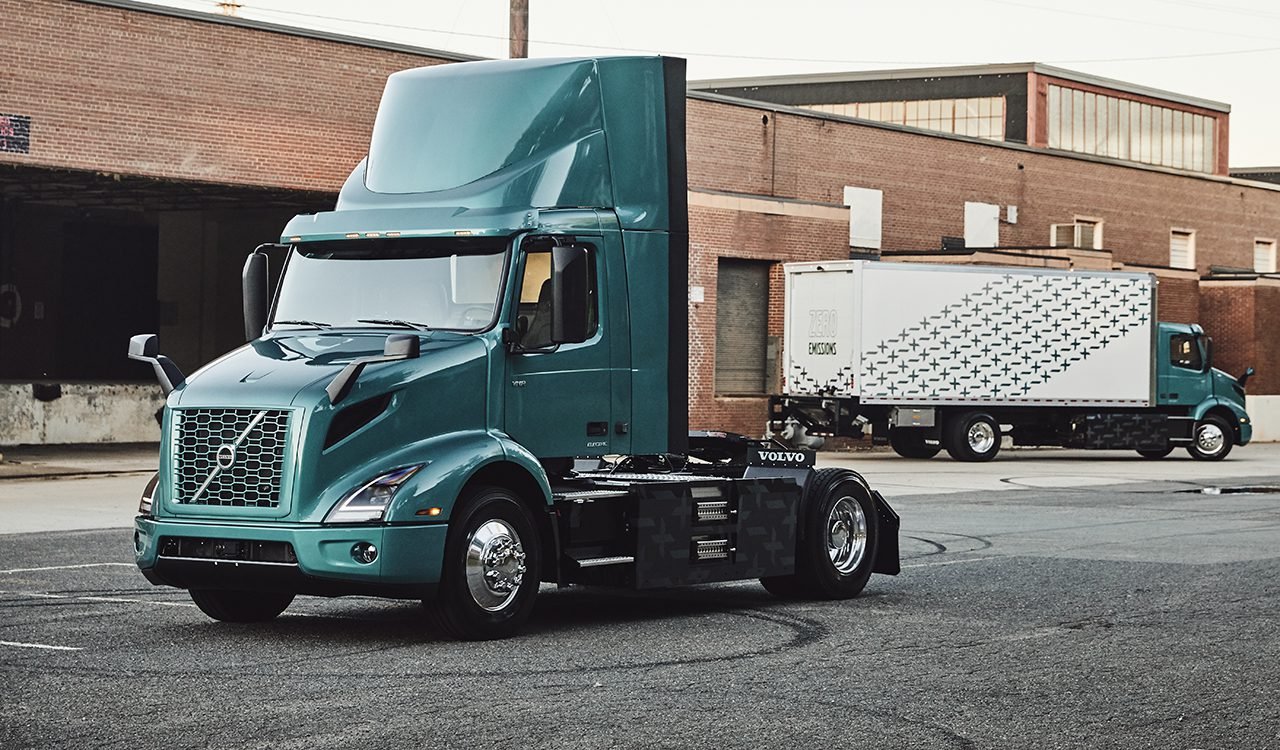
When most people picture a large commercial truck rumbling down the highway, they imagine a massive rig pulling an equally massive trailer. But not every big truck you see on the road is hauling freight. Sometimes, the cab rolls alone—no trailer in tow—and that configuration has a specific name in the trucking industry: a bobtail tractor. Understanding the distinction between a bobtail tractor and a fully configured semi-truck matters for drivers, fleet operators, logistics professionals, and even everyday motorists sharing the road with these vehicles.
This article breaks down everything you need to know about the bobtail tractor versus the semi-truck—from their definitions and mechanical differences to safety considerations, insurance implications, and real-world applications.
What Is a Bobtail Tractor?
A bobtail tractor is simply a semi-truck cab operating without an attached trailer. The term “bobtail” comes from the idea of a “bobbed tail”—a truck that has had its tail (the trailer) removed. When a driver picks up an empty cab from a yard, drives to a pickup location to collect a trailer, or returns a cab after dropping off a load, that vehicle is operating in bobtail mode.
The bobtail tractor is not a separate vehicle type or a special class of truck. It is the same power unit — the tractor — that makes up the front half of any standard semi-truck. The difference is purely operational: whether or not a trailer is attached.
You will most commonly see bobtail tractors in the following situations:
- A driver repositioning an empty cab between terminals
- A trucker heading to pick up a loaded trailer at a shipper’s dock
- A driver returning to the yard after dropping off a delivery
- Fleet vehicles are being moved for maintenance or reassignment
Despite how familiar this sight is on highways and freight corridors, the bobtail tractor presents a unique set of handling challenges that distinguish it sharply from a fully loaded semi-truck.
What Is a Semi-Truck?
A semi-truck—also called an eighteen-wheeler, big rig, or tractor-trailer—consists of two main components: the tractor (the powered cab) and the semi-trailer (the cargo-carrying unit). The trailer is called a “semi-trailer” because it lacks a full set of front axles and depends on the tractor’s fifth wheel coupling to support its front end.
Together, a typical tractor-trailer combination can stretch up to 70–80 feet in length and carry legal gross weights up to 80,000 pounds in the United States (though this varies by state and permit). The trailer itself can be a dry van, flatbed, refrigerated reefer unit, tanker, lowboy, or any number of specialized configurations depending on the freight being hauled.
When the tractor and trailer are coupled, they form a single articulated vehicle designed to distribute weight efficiently across multiple axles. This weight distribution is central to the truck’s road performance, braking ability, and handling characteristics.
Key Mechanical and Physical Differences
Weight Distribution
One of the most important differences between a bobtail tractor and a full semi-truck comes down to weight distribution. A fully loaded semi-truck spreads its weight across the steer axles (front), drive axles (under the tractor’s rear), and trailer axles. This balanced distribution gives the vehicle predictable handling and excellent braking performance.
A bobtail tractor, by contrast, carries most of its weight over the front steer axles with relatively little load on the rear drive axles. The drive axles — which contain the braking power — are underloaded. This imbalance has real consequences for how the vehicle behaves on the road.
Braking Performance
Counterintuitively, a bobtail tractor can be harder to stop than a fully loaded semi-truck. The braking systems on commercial trucks are calibrated to handle the weight of a fully loaded trailer. When the trailer is absent, the rear drive axles are lightly loaded, and the brakes can lock up more easily, especially on wet or slippery surfaces.
Experienced truck drivers know that bobtailing demands extra caution: longer following distances, earlier braking, and reduced speed on curves and downgrades. Stopping distance in bobtail mode can be significantly longer than one might expect for a vehicle that appears to be carrying nothing.
Turning and Handling
Bobtail tractors are also less stable in turns. Without the counterbalancing weight of a trailer, the rear of the tractor can swing out or become loose during sharp maneuvers. In wet conditions or on uneven road surfaces, the risk of a rear-axle skid increases considerably. Drivers must apply smooth, controlled inputs to the steering wheel and avoid sudden braking or acceleration mid-corner.
Length and Clearance
A semi-truck with a 53-foot trailer is an enormous vehicle that requires wide turns, careful lane changes, and significant planning for backing into loading docks. A bobtail tractor, at only 20–25 feet in length, is far more maneuverable. It fits into tighter spaces and is easier to park, which is one reason drivers are often tasked with repositioning tractors in congested freight yards.
Licensing and Legal Requirements
Operating either a bobtail tractor or a full semi-truck requires a commercial driver’s license (CDL). In the United States, a Class A CDL is required to operate combination vehicles with a gross combined weight rating (GCWR) above 26,001 pounds—which includes both bobtail tractors and tractor-trailers.
There is no separate license class specifically for bobtail tractor operation. However, drivers should be aware that bobtailing requires the same level of professional skill and attentiveness as driving a fully loaded rig—arguably more, due to the handling challenges described above.
Hours of service (HOS) regulations enforced by the Federal Motor Carrier Safety Administration (FMCSA) apply to commercial drivers regardless of whether they are bobtailing or hauling a trailer. If a driver is operating a bobtail tractor in a commercial capacity, the same record-keeping and driving hour limitations apply.
Insurance Differences: Bobtail vs. Non-Trucking Liability
This is where the bobtail tractor distinction becomes especially significant from a business and legal standpoint. Standard trucking insurance policies are structured around the truck being used for commercial purposes — specifically, while under dispatch and hauling a load for a motor carrier.
When a driver is bobtailing — operating the tractor without a trailer, outside of an active load assignment — the primary trucking policy may not provide full coverage. This gap is addressed by two types of specialty insurance:
Bobtail Insurance covers the tractor when it is being operated without a trailer and outside of a dispatch, regardless of the owner-operator’s working relationship with the carrier. It applies specifically to that “going to pick up a load” or “just dropped off” scenario.
Non-Trucking Liability (NTL) Insurance covers the tractor when it is being used for personal, non-business purposes — for example, when an owner-operator uses the truck for personal errands between loads.
Understanding the distinction is crucial for owner-operators in particular. Driving a bobtail tractor without appropriate coverage can leave a driver personally liable for damages in the event of an accident. Carriers typically require owner-operators to carry bobtail or NTL coverage as part of their lease agreements.
Safety Considerations on the Road
For other motorists, sharing the road with a bobtail tractor carries different risks than driving alongside a fully loaded semi-truck. The bobtail’s shorter length makes it appear more like an oversized pickup truck than a true commercial vehicle, which can lead drivers to underestimate its stopping distance and the space needed for its maneuvers.
From the truck driver’s side, safety best practices for bobtail tractor operation include:
- Reducing speed, particularly on wet roads and sharp curves
- Increasing following distance to account for reduced braking efficiency
- Avoiding sudden braking to prevent rear axle lockup
- Using smooth, gradual steering inputs through turns
- Being extra cautious on downgrades, where the lightly loaded rear axles can slide
Fleet safety managers often include specific bobtail operation training in driver orientation programs, recognizing that inexperienced drivers may underestimate the handling challenges of this configuration.
Real-World Applications and Industry Relevance
The bobtail tractor plays an essential role in the daily functioning of freight operations. Every day, thousands of bobtail tractors move between terminals, maintenance facilities, fuel stops, and shipper locations. Without this flexibility, the logistics chain would grind to a halt.
In the liquefied petroleum gas (LPG) and propane delivery industry, the term “bobtail” has taken on a slightly different meaning. In that sector, a bobtail truck refers specifically to a medium-duty delivery vehicle with a permanently mounted tank — a smaller, self-contained unit used for residential and commercial propane deliveries. While the origin of the name is the same, this is a different vehicle class from the tractor-trailer bobtail discussed in this article.
For long-haul carriers, drop-and-hook operations frequently involve bobtailing. A driver drops a loaded trailer at a customer location, then bobtails to a nearby yard or staging area to pick up a pre-loaded outbound trailer. This keeps drivers productive and reduces wait time at shipper docks.
At a Glance: Bobtail Tractor vs. Semi-Truck
| Feature | Bobtail Tractor | Semi-Truck (Tractor-Trailer) |
|---|---|---|
| Trailer attached? | No | Yes |
| Typical length | 20–25 feet | 70–80 feet |
| Weight distribution | Front-heavy | Balanced across axles |
| Braking difficulty | Higher (rear axles underloaded) | Lower (weight helps braking) |
| Turning radius | Tighter | Wide |
| Insurance needs | Bobtail/NTL policy | Primary trucking liability |
| CDL required? | Yes (Class A) | Yes (Class A) |
| Common use | Repositioning, pickup/drop-off | Freight transportation |
Frequently Asked Questions (FAQ)
Q: Is a bobtail tractor the same as a semi-truck? A: Not exactly. A bobtail tractor is the cab or tractor unit of a semi-truck, operating without an attached trailer. A semi-truck, in the conventional sense, refers to the full combination of the tractor and a trailer working together.
Q: Why is it called a “bobtail” tractor? A: The term comes from the idea of a “bobbed” or shortened tail. Without the trailer, the truck appears to have had its rear end cut short, similar to a bobbed tail on an animal.
Q: Is it more dangerous to drive a bobtail tractor than a fully loaded semi-truck? A: In some ways, yes. Bobtail tractors have less weight on their rear drive axles, which can cause the brakes to be less effective and make the rear end more prone to skidding. Experienced drivers adjust their speed and braking habits accordingly.
Q: Do you need a special license to drive a bobtail tractor? A: No special license beyond the standard Class A CDL is required. However, drivers should receive proper training on the unique handling characteristics of bobtail operation.
Q: Does regular trucking insurance cover a bobtail tractor? A: Standard trucking liability insurance typically covers a truck while it is under dispatch and hauling freight. When operating in bobtail mode — especially outside of an active dispatch — drivers may need separate bobtail insurance or non-trucking liability (NTL) coverage to fill the gap.
Q: How long is a bobtail tractor? A: Most semi-truck tractors measure between 20 and 25 feet in length on their own. This is considerably shorter than a full tractor-trailer combination, which can reach 70–80 feet.
Q: Can a bobtail tractor carry any cargo? A: The tractor cab itself has no cargo-carrying capacity beyond what can fit in the cab’s interior storage. Without a trailer, a bobtail tractor is not used to transport freight.
Q: What is the difference between bobtail insurance and non-trucking liability (NTL) insurance? A: Bobtail insurance covers the tractor when operated without a trailer outside of a dispatch, while NTL coverage applies when the truck is used for personal, non-business purposes. The right policy depends on the specific scenario and the driver’s working arrangement with a carrier.
Q: Are bobtail tractors subject to the same road regulations as full semi-trucks? A: Yes. Hours of service rules, CDL requirements, weight limits, and other FMCSA regulations apply to bobtail tractors operated in commercial service just as they do to tractor-trailers.
Q: Why do propane delivery trucks get called “bobtails“? A: In the propane and LPG industry, the word “bobtail” is used for a medium-duty truck with a permanently mounted delivery tank. The name likely derives from the same idea of a shortened, self-contained vehicle—but these are a completely different class of vehicle from the tractor-trailer bobtail discussed in trucking contexts.