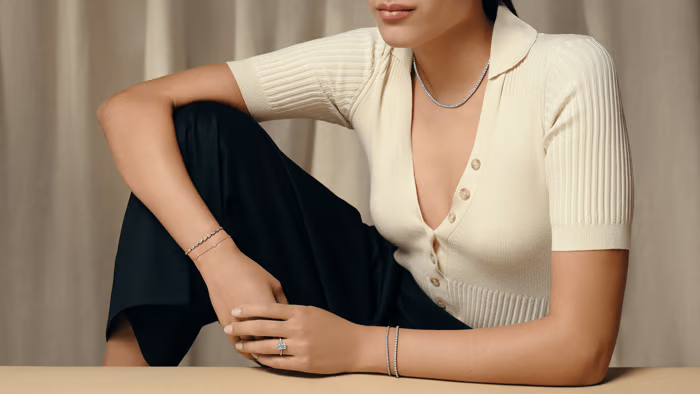
The tennis bracelet—a continuous line of sparkling diamonds or gemstones set in a flexible, elegant form—has spent decades as a quiet pillar of fine jewelry. It looked current on Chris Evert in 1987, and it looks equally at home on a fashion-forward tastemaker in 2026. But calling it a “trend” almost undersells it; the tennis bracelet has achieved something rarer than fleeting popularity. It has become an “always-on” staple, a piece that seamlessly bridges the gap between high luxury and daily life.
In 2026, the tennis bracelet is undergoing a renaissance. It is no longer a piece reserved for galas and anniversary dinners but a defining element of modern style, embraced by celebrities like Hailey Bieber and Zendaya, and seen everywhere from the front rows of Paris Fashion Week to the streets of Copenhagen. The contemporary appeal lies in its sheer versatility and the exciting new ways designers are reimagining the classic form. From lab-grown diamonds to colored gemstones, bezel settings, and the emergence of the “tennis” aesthetic in necklaces and earrings, this is the year the tennis bracelet becomes a must-have accessory for everyone.
The Evolution of the Tennis Bracelet: From the Court to the Catwalk
To understand the tennis bracelet’s current moment, it helps to look back at its history. Though line bracelets have existed since the early 1900s, the piece got its iconic name in 1987 during the U.S. Open. Tennis champion Chris Evert stopped her match mid-game to search for her diamond bracelet, which had snapped and fallen off her wrist. The moment was broadcast worldwide, and the “diamond line bracelet” was forever rebranded as the “tennis bracelet”.
This origin story is crucial to its modern appeal. It’s a piece of fine jewelry with an unexpected, sporty, and high-performance backstory. This association with athleticism and grace, the “clean whites and grit” of the tennis court, gives the bracelet a cool, effortless vibe that feels fundamentally different from a traditional cocktail ring or a stiff bangle. It’s refined but rugged, elite but approachable—a duality that perfectly aligns with the “quiet luxury” and “old money” aesthetics that have dominated fashion in recent years.
In 2026, the tennis bracelet will have evolved from this foundation. It is no longer just a single line of round brilliant diamonds on a white gold chain. The category has exploded, giving rise to the tennis necklace, tennis earrings, and even tennis anklets. The defining features remain—a continuous, symmetrical line of stones—but the design language has become infinitely richer and more personal. This shift reflects a broader consumer desire for investment pieces that are both classic and versatile, capable of transitioning from a casual coffee run to a black-tie event without missing a beat.
Key Diamond Tennis Bracelet Trends in 2026
This year’s trends are all about personalization, sustainability, and a fresh take on a classic. Here is what you need to know.
1. The Lab-Grown Diamond Revolution: More Sparkle for Less
Perhaps the most significant trend shaping the tennis bracelet market in 2026 is the widespread acceptance of lab-grown diamonds. These stones are chemically, physically, and optically identical to mined diamonds, but they offer greater control over quality and come with a significantly more accessible price point.
This shift from a niche choice to a mainstream option has made the tennis bracelet more attainable than ever. Lab-grown diamonds allow buyers to prioritize cut quality, carat weight, or a longer bracelet length with the same budget that might have once covered a more modest piece. For many, it is a smart, value-conscious choice that supports a more sustainable and ethical jewelry industry without compromising on the brilliance and beauty of a diamond. This accessibility is a key reason why the tennis bracelet has become a go-to for everyday wear, moving away from being a purely aspirational, special-occasion piece.
2. A Spectrum of Color: Gemstone Tennis Bracelets
While diamonds remain the gold standard, colored gemstones are making a powerful and playful comeback in 2026. Sapphires, emeralds, rubies, and even softer stones like morganite and tourmaline are appearing in full lines or as stunning accents. This is the perfect option for those who love the structure and silhouette of a tennis bracelet but want a more distinctive and personalized result.
A sapphire tennis bracelet offers a pop of regal, cool-toned color, while rubies provide a bold, vibrant statement. Emeralds bring a rich, luxurious green that feels both classic and unexpected. The rise of colored gemstones makes the tennis bracelet ideal for birthstone gifts and allows for a unique expression of personality. This trend also sees combinations of natural and lab-grown stones and mixed-gemstone designs where diamonds are interspersed with colored gems for a truly bespoke look.
3. The Rise of the Bezel Setting: Sleek, Modern, and Snag-Free
The traditional tennis bracelet setting uses prongs to hold each diamond, allowing maximum light to enter the stone for exceptional brilliance. In 2026, the bezel setting is having a major moment. In a bezel setting, each stone is surrounded by a smooth, continuous rim of metal.
This offers several distinct advantages. First, it creates a sleek, architectural, and undeniably modern look. It feels less “bridal” and more like a piece of contemporary “design” jewelry. Second, the bezel setting provides significantly more protection for the diamond’s edges, making the bracelet much more durable for daily wear and active lifestyles. Finally, because it lacks exposed prongs, a bezel-set tennis bracelet is far less likely to snag on clothing or hair. For these reasons, bezel settings are becoming the go-to choice for those who want a piece they can wear every day without worry.
4. New Rules for Metal: Mixing, Yellow Gold, and Black Gold
Gone are the days of being confined to a single metal. In 2026, mixed-metal settings are a significant trend, pairing white gold diamond settings with yellow gold bands for a less uniform, more contemporary look. This duotone and mixed-metal approach makes the bracelet incredibly versatile, as it can be easily paired with a wider range of other jewelry and watch finishes.
Yellow gold is experiencing a major comeback, offering a warm, vintage glow that feels acceptable and even desirable as an everyday accessory. It pairs beautifully with casual wear and neutral tones, making it a favorite for those seeking an effortlessly elevated look. At the same time, the men’s jewelry market is pushing boundaries with bolder metals like black gold, which provides contrast and depth for a statement piece that feels edgy and distinctly masculine. Platinum and white gold remain the classic choices for their sleek, modern look and ability to enhance the brilliance of diamonds.
5. New Silhouettes and Designs: Beyond the Single Row
The classic single row remains popular, but designers are pushing the silhouette in exciting new directions.
-
Mixed Shapes: Instead of just a uniform line of round brilliant stones, designers are incorporating emerald-cut, pear, marquise, and baguette-cut diamonds, often in alternating patterns. This creates a unique, textured look that feels both glamorous and fresh.
-
Slim and Stackable Profiles: Micro-pavé styles and thin tennis bracelets are huge for layering. They add delicate sparkle without bulk, allowing for curated wrist stacks that feel intentional and modern. Interest in stackable bracelets has surged, reflecting a consumer desire for modular, personalized accessories.
-
Multiple Rows: For those who want to make a significant statement, double- or triple-row designs are becoming increasingly popular. These offer a “dripping in diamonds” look that is perfect for celebratory occasions.
-
The Modern Tennis Chain Bracelet: This is a hybrid that mixes diamond settings with contemporary chain elements, creating a less formal, more casual aesthetic.
Styling Your Tennis Bracelet in 2026
The key to wearing a tennis bracelet in 2026 is to make it feel like an effortless part of your everyday style. The old rules have been thrown out.
-
Worn Alone: The most elegant and refined configuration: a single, uninterrupted line of diamonds against the skin. It works for the office, dinner, and everything in between.
-
Layered Stacks: Pair your tennis bracelet with a luxury watch, a gold bangle, or a chain bracelet to create a dynamic wrist stack. Mixing different metal tones and textures (e.g., a slim white gold tennis bracelet with a chunky yellow gold chain) is a hallmark of modern styling.
-
The High-Low Mix: Pair your diamond tennis bracelet with a crisp white T-shirt and vintage-wash jeans. This contrast between refined jewels and casual attire is what makes the look feel contemporary and “cool.”
-
Complete the Set: Don’t stop at the wrist. Wearing a tennis bracelet alongside a tennis necklace or tennis earrings is a growing trend. The key is to style them in a relaxed way that feels curated rather than “matchy-matchy.”
FAQ: Diamond Tennis Bracelets in 2026
1. What exactly is a tennis bracelet?
A tennis bracelet is a flexible, continuous line of individually set diamonds or gemstones linked together on a precious metal chain. It gained its name in 1987 when tennis star Chris Evert lost hers during a U.S. Open match.
2. Are lab-grown diamonds a good choice for a tennis bracelet?
Yes. Lab-grown diamonds are chemically and physically identical to mined diamonds. They offer the same brilliance and durability but often at a more accessible price point, allowing you to prioritize size and quality. They are also a popular choice for ethically conscious consumers. What is the difference between a prong and a bezel setting?
A prong setting uses small metal claws to hold each diamond, maximizing light exposure and brilliance. A bezel setting surrounds each diamond with a smooth rim of metal, creating a sleek, modern look that is more protected and less likely to snag.
4. Can I wear a tennis bracelet every day?
Absolutely. The modern tennis bracelet is designed for daily wear. For those with active lifestyles or hands-on professions, a bezel setting is recommended for its added durability and snag-free design.
5. What metals are most popular for tennis bracelets in 2026?
While white gold and platinum remain classic choices, yellow gold is making a strong comeback for its warm, vintage appeal. Rose gold is also popular for its romantic, modern tone. For a more edgy, masculine look, black gold is a rising trend.
6. How should a tennis bracelet fit?
It should fit snugly enough that it doesn’t slide down over your hand, but loosely enough to move comfortably on your wrist. A well-fitting bracelet will sit just behind the wrist bone. Always check for a secure clasp with a safety latch.