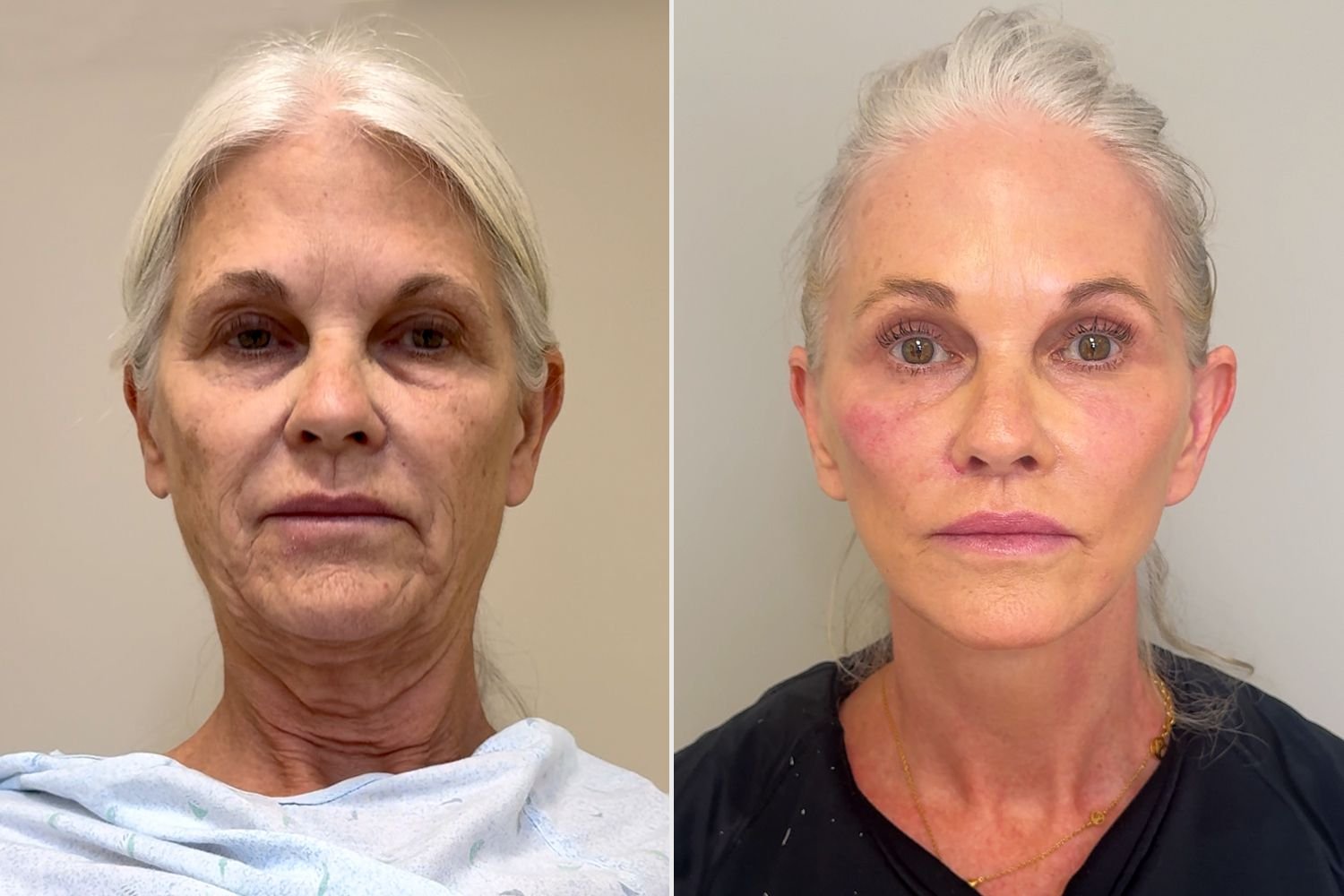
Undergoing double jaw surgery (orthognathic surgery) is a life-changing procedure. It corrects significant bite discrepancies, facial imbalances, sleep apnea, and chronic jaw pain. However, the path to your new smile is a marathon, not a sprint. While the surgical results are dramatic, the recovery requires patience, diligence, and a clear roadmap.
Most patients report that the fear of recovery is worse than the recovery itself. Understanding exactly what happens each week after double jaw surgery can alleviate anxiety and prepare you for the swelling, dietary changes, and milestones ahead. This guide provides a week-by-week breakdown of what you can expect during the healing process.
The First 48 Hours: The “Twilight Zone”
The clock starts ticking the moment you wake up in the recovery room. This initial phase is the most intense.
What to Expect
Your face will be significantly swollen. You will likely be numb from your lower eyelids down to your chin. Most patients have two IV lines (for hydration and pain meds), a drainage tube, and possibly elastics holding the jaws together (though rarely fully wired shut anymore). Breathing through your nose might be difficult due to blood clots and swelling.
Immediate Priorities
-
Ice is your best friend: Apply ice packs (wrapped in cloth) 20 minutes on, 20 minutes off. This vasoconstriction is crucial to minimize peak swelling.
-
Head elevation: You must sleep upright (45 degrees) for the first week. This uses gravity to drain fluid away from the face.
-
Nutrition: You will start with clear liquids (broth, apple juice, water). You cannot use a straw (suction can dislodge clots and cause dry socket-like pain).
Pain Management
Hospitals use a multi-modal approach: IV narcotics, NSAIDs, and local anesthetics. By hour 24, you will transition to oral liquid medications. Do not skip a dose; stay ahead of the pain.
Week 1: The “Pumpkin Head” Phase
By day three, you will look in the mirror and likely not recognize yourself. Swelling peaks at 48–72 hours post-double jaw surgery, making your face appear perfectly round—hence the nickname.
Managing Peak Swelling
-
Transition to warm compresses after day three to encourage lymphatic drainage.
-
Gentle walks: From day two, walk around the house for 5–10 minutes every hour. Blood circulation reduces the risk of blood clots and speeds healing.
-
Nasal congestion: Use saline spray and a humidifier. Do not blow your nose for at least two weeks (the pressure can shift the upper jaw).
Diet: The Liquid Prison
You will consume pure liquids. Think:
-
Ensure/Boost protein shakes
-
Blended soups (strained to remove seeds)
-
Thin yogurt smoothies
-
Bone broth (excellent for collagen)
Caloric goal: 1,500–2,000 calories per day. Weight loss is common; track your intake.
Oral Hygiene
Brushing is impossible. Instead:
-
Use a pediatric toothbrush for the front teeth only.
-
Use chlorhexidine (prescription mouth rinse) three times a day.
-
Syringe irrigation: Use a curved-tip syringe to gently flush food debris from the surgical sites.
Sleep Disruption
You cannot sleep flat. Many patients sleep in a recliner for the first ten days. Expect to wake up every 2–3 hours for medication or bathroom breaks.
Week 2: The Turning Point
Somewhere between day 7 and day 10, you will wake up feeling slightly human again. The swelling shifts from “horror movie” to “chipmunk cheeks.”
Visible Changes
-
Bruising descends: Yellow-green bruises will travel down your neck and chest. This is normal—it’s gravity pulling old blood down.
-
Numbness persists: Your lips and chin may still feel like novocaine from the dentist. The inferior alveolar nerve was stretched during surgery; sensation returns slowly.
-
Energy returns: You can stay awake for 4–6 hours without napping.
Diet Upgrade: No-Chew Soft Foods
You can progress to:
-
Mashed potatoes with gravy
-
Scrambled eggs (soft curds)
-
Refried beans
-
Cream of wheat or oatmeal
-
Apple sauce and pudding
Note: You still cannot chew. Use the “tongue-to-palate” mash method.
Suture Removal
If your surgeon used non-dissolving stitches, you will have them removed around day 10–14. This is painless but may feel like tugging. Dissolving stitches will begin to fray.
Emotional Health
Week 2 is notoriously challenging emotionally. You are tired of liquid food, tired of the swelling, and tired of watching Netflix. Depression is a normal part of the recovery from double jaw surgery. Remind yourself this is temporary. Join online support groups (Reddit’s r/jawsurgery is excellent).
Weeks 3–4: Returning to Light Activity
By the end of the first month, most patients look presentable enough to run errands, though strangers might think you have “chubby cheeks.” Socially, you can return to work if your job isn’t physical.
Swelling and Aesthetics
-
70% of the swelling is gone. The remaining 30% is deep in the cheeks and upper lip.
-
You will notice a “smile asymmetry.” Your lips may not move evenly. Do not panic—muscles and nerves heal at different rates.
-
The upper lip often looks “stiff” or “short.” This resolves over 3–6 months.
Diet Expansion: Soft Chew
You can now introduce foods that require minimal chewing:
-
Soft pasta (mac and cheese)
-
Canned tuna or chicken salad (shredded fine)
-
Pancakes soaked in syrup
-
Soft fish (salmon)
-
Ripe bananas
Avoid: Crusty bread, raw carrots, steak, nuts, or anything crunchy/sticky.
Activity Guidelines
-
Return to desk work: Yes, but take breaks every hour.
-
Exercise: Light walking only. No running, weightlifting, or swimming (pool chemicals risk infection).
-
Sexual activity: Allowed if you avoid impact to the face and keep heart rate moderate.
-
Driving: You can drive if you are off narcotics and can turn your head fully (neck stiffness is common).
Orthodontics
Around week 4, you may see your orthodontist. They will change your surgical wires and elastics. Your bite will feel “wrong” because the bones are healing, but trust the process.
Weeks 5–8: The Functional Milestone
This is the period where your double jaw surgery transitions from “medical recovery” to “normal life.” You will likely be cleared to return to all non-contact activities.
Bone Healing
By week 6, the maxilla (upper jaw) is usually 50–60% healed. The mandible (lower jaw) heals slower due to muscle pull. You must continue a soft-chew diet until the surgeon confirms bony union on an X-ray.
What You Can Do Now
-
Chew: Small, soft pieces of bread, cooked vegetables, soft fruits. No tearing with front teeth (e.g., biting into an apple or corn on the cob).
-
Yawning: You can yawn, but try to hold your chin if it feels unstable.
-
Sports: Non-contact sports like jogging, cycling, swimming, and yoga are fine.
What You Still Cannot Do
-
Contact sports: No basketball, soccer, martial arts, or boxing (one elbow to the face = re-fracture).
-
Opening wide: You likely cannot fit three fingers in your mouth yet. Do not force it.
-
Nose blowing: Some surgeons restrict this for 8 weeks.
Nerve Sensation
You may feel “pins and needles” or electric shocks in your lower lip. This is nerve regeneration—a good sign. If you remain totally numb at week 8, you have a 50-50 chance of permanent numbness.
Months 3–4: The “New Normal”
At three months, you look in the mirror and finally see the result you paid for. The swelling is almost entirely gone, though you may still feel tightness in the midface.
Eating Without Fear
You can graduate to a full diet, but with caution:
-
Cut food into small pieces. Even if you can chew, your jaw muscles are weak.
-
Avoid extremely hard foods (hard candies, ice, popcorn kernels) for another 2 months.
-
Chew evenly. Use both sides. Many patients favor one side due to residual numbness; they consciously avoid this.
Physical Activity
-
Contact sports: Still not recommended until month 6, but light sparring or recreational play is sometimes allowed with a custom mouthguard.
-
Heavy lifting: You are fully cleared. Deadlifts and squats no longer risk intracranial pressure.
Orthodontic Finishing
Your orthodontist will begin fine-tuning your bite. You may wear elastics full-time or just at night. Your teeth will move faster now because the jawbone is still remodeling (Wolff’s law).
Scar Management
There are no external scars (the incisions are inside the mouth). However, internal scar tissue can make opening your mouth difficult. Perform mouth-opening exercises as prescribed by your physical therapist or surgeon.
Months 5–6: The Finish Line
By the six-month mark, you are considered “clinically healed.” However, complete bone remodeling takes 12 months to 2 years.
Final Recovery Milestones
-
Radiographic healing: X-rays will show the bone gaps (osteotomy sites) have filled with new bone.
-
Plate removal: Most titanium plates are left in forever. Only remove them if they become infected or palpable (usually 1–2% of cases).
-
Smile and speech: Any lingering lisp or facial asymmetry should be resolved. If not, see a myofunctional therapist.
The Psychological Adjustment
Many patients experience a strange sensation: They don’t recognize their own face for up to a year. This is called “post-surgical depersonalization.” Take progress photos. Compare week 1 to month 6. The change is profound.
Long-term restrictions (6+ months)
-
No face-down massage (can stress the mandible).
-
No chewing on foreign objects (pen caps, ice).
-
Wear a mouthguard if you grind your teeth at night. Bruxism can damage the new bone alignment.
Summary Week-by-Week Reference Table
| Timeframe | Swelling Level | Diet | Activity | Pain |
|---|---|---|---|---|
| Days 1-3 | Severe (Peak) | Clear liquids | Bed rest | High |
| Week 1 | Extreme | Full liquids | Walking indoors | Moderate |
| Week 2 | Moderate (Chipmunk) | Blended soft foods | Short errands | Low |
| Week 3-4 | Mild | No-chew, soft | Return to desk work | Minimal |
| Week 5-8 | Mild (Residual) | Soft chew | Light cardio | Rare |
| Month 3-4 | Very mild | Regular (soft prep) | Full gym (no contact) | Zero |
| Month 6+ | None | Full diet | Contact sports (with guard) | Zero |
Frequently Asked Questions (FAQ) About Double Jaw Surgery Recovery
Q1: How long does the numbness last after double jaw surgery?
A: Numbness varies. Lower lip and chin numbness (from the inferior alveolar nerve) lasts 6 months for most. For 10-15% of patients, some numbness is permanent. Upper jaw numbness usually resolves by month 3. If you have no tingling by month 6, the nerve damage is likely permanent.
Q2: When can I sleep on my side after double jaw surgery?
A: You must sleep on your back with your head elevated (45 degrees) for the first 4 weeks. At week 4, you can sleep on your side if you use a travel pillow to keep your face from pressing into the mattress. Full side-sleeping is safe at week 8.
Q3: Can I fly on an airplane during recovery?
A: Yes, but avoid flying during the first 2 weeks (pressure changes can increase swelling and risk of bleeding). After week 3, flying is fine. Keep your head elevated, stay hydrated, and walk the aisle every hour to prevent DVT (deep vein thrombosis).
Q4: How long until I can kiss my partner normally?
A: Gentle kissing (no pressure) is fine after week 2. Passionate kissing with lip pressure and tongue action should wait until week 6. Your upper jaw (maxilla) is fragile for 6-8 weeks, and suction from deep kissing can destabilize the bone plates.
Q5: What happens if I sneeze or cough?
A: Never pinch your nose and sneeze with your mouth closed. Always sneeze with your mouth wide open to release pressure. If you need to cough, keep your mouth open. The pressure from a closed sneeze can displace a healing upper jaw. Use antihistamines to prevent sneezing fits.
Q6: Will I lose weight, and will it come back?
A: Most patients lose 10-20 lbs during the liquid diet phase (weeks 1-4). You will regain 5-10 lbs when returning to soft foods, but many patients maintain a lower weight long-term because they can no longer eat large volumes (the jaw muscles fatigue).
Q7: When can I drink alcohol?
A: Avoid alcohol for the first 4 weeks. Alcohol thins the blood (increasing bruising), dehydrates you (slowing bone healing), and interacts with pain medications. After week 4, one drink is fine, but go slow—your tolerance will be zero.
Q8: My jaw clicks and pops at month 4. Is that normal?
A: Yes. Because your bite has changed, the temporomandibular joint (TMJ) is remodeling. Clicking usually resolves by month 9. If you experience locking or painful clicking, see your surgeon. Persistent clicking may require physical therapy.
Q9: How do I know if I have an infection?
A: Signs of infection include a fever over 101°F (38.3°C), a foul taste that doesn’t go away after rinsing, increasing swelling after day 5, and pus draining from the incisions. Call your surgeon immediately. Infections occur in <5% of cases but require antibiotics.
Q10: Can I smoke or vape during recovery?
A: Absolutely not for the first 8 weeks. Nicotine constricts blood vessels, severely delaying bone healing and dramatically increasing the risk of non-union (where the bone fails to fuse). If you smoke, your surgeon may cancel the surgery or require a nicotine test. Vaping is equally dangerous due to dehydration and chemicals.
Final Words of Encouragement
Recovering from double jaw surgery tests your patience, your diet, and your self-image. There will be days (especially in week 2) when you question why you did this. Remember: The swelling is temporary, the numbness is temporary, but the functional bite and facial harmony are permanent.
Trust the timeline. Do not rush to chew; do not skip your ice/heat therapy, and do not hesitate to call your surgeon with concerns. By month 6, you will look back at week 1 photos and feel an immense sense of pride. You survived one of the most complex facial surgeries in existence—and the results will last a lifetime.