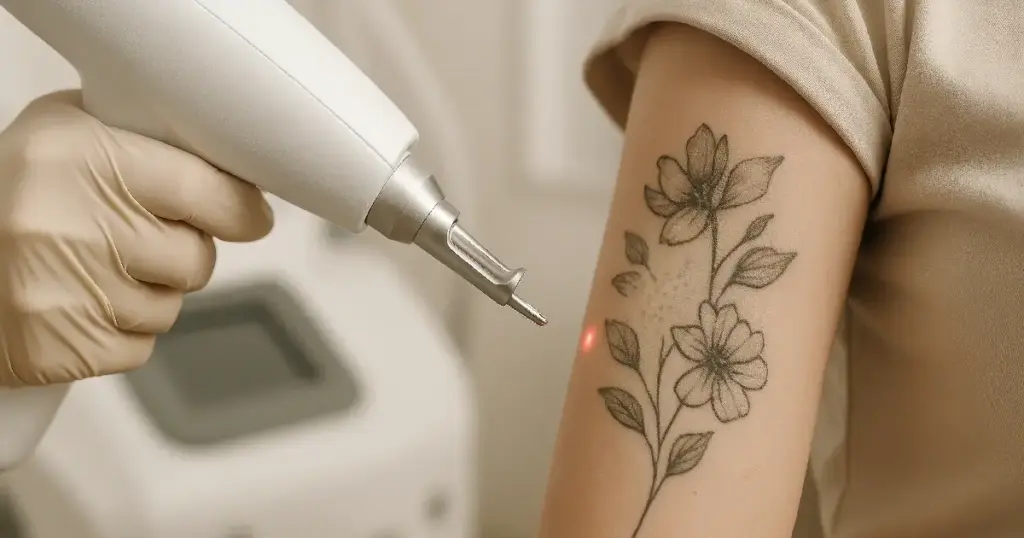
Getting a tattoo can be an act of self-expression, but for many, that expression can feel less permanent over time. Whether driven by a change in lifestyle, a career shift, or simply a shift in personal taste, the decision to remove a tattoo is a significant one. While modern laser technology has transformed tattoo removal from a painful, often scarring process into a more predictable and controlled procedure, success isn’t automatic. It demands a partnership with a qualified professional and a strict commitment to aftercare. By following these ten essential tips, you can maximize your results, minimize risks, and navigate the removal journey with clarity and confidence.
1. Choose a Board-Certified Provider, Not a Deal
The single most critical factor in safe and effective tattoo removal is the expertise of the person operating the laser. This is a medical procedure that requires an intimate understanding of skin physiology, light physics, and pigment response. The allure of a cheaper, quicker option at an unregulated spa or clinic is a significant risk. You should seek a board-certified dermatologist or plastic surgeon with specialized experience in laser treatments and a track record of managing various skin types.
A qualified professional will conduct a thorough consultation, assess your tattoo’s unique characteristics, and determine if you are a good candidate. They will tailor the treatment to your specific needs, minimizing the chance of complications like scarring or pigmentation changes. Don’t hesitate to ask about their experience and ask to see before-and-after photos of their work. You are investing in your skin’s future, so ensure you are entrusting it to capable hands.
2. Understand the Science: A Series of Controlled Injuries
It is crucial to understand that tattoo removal is not a single, magical solution. The laser works by delivering highly concentrated pulses of light energy that are absorbed by the tattoo ink. This energy shatters the pigment particles into much smaller fragments. Once fragmented, your body’s immune system steps in, gradually flushing these tiny particles away over time. This biological process requires rest and recovery.
Because the treatment is essentially creating a controlled wound to stimulate the immune response, you cannot rush it. Expect multiple sessions, typically spaced six to eight weeks apart. This interval is not arbitrary; it is the essential time needed for your body to clear the ink and for your skin to heal properly. Attempting sessions too frequently can lead to scarring and poor results.
3. Unpack the Ink: Color and Type Determine the Journey
Not all tattoos are created equal, and their removal is heavily influenced by the ink used and the artist’s technique. Generally, black ink is the easiest to remove because it absorbs all wavelengths of laser light. However, professional tattoos, which are typically placed deeper and have a higher ink density, are often harder to remove than amateur ones.
Color adds another layer of complexity. Different colors absorb different wavelengths of light. While dark blue and black are the most responsive, colors like green, red, and yellow are notoriously challenging and may require specific lasers. Furthermore, white and some flesh-toned inks can paradoxically oxidize and turn black upon laser treatment, making them virtually impossible to remove. This is why a professional consultation is vital to set realistic expectations about your specific tattoo.
4. The Critical Window: Immediate Post-Treatment Care (First 48 Hours)
The first 24 to 48 hours after your session are the most critical for preventing complications and setting the stage for smooth healing. Immediately following treatment, your skin is an open wound. It will likely be red, swollen, and tender, similar to sunburn. Here’s how to manage this critical phase:
-
Keep it Clean: Gently wash the treated area with lukewarm water and a mild, fragrance-free soap. Pat it dry with a clean towel; never rub, as the skin is incredibly sensitive.
-
Apply a Healing Ointment: After cleaning, apply a thin layer of a non-comedogenic, dermatologist-recommended healing ointment like Aquaphor or a simple, over-the-counter antibiotic cream. This creates a protective barrier, locks in moisture, and soothes the skin.
-
Avoid Water Submersion: Steer clear of swimming pools, hot tubs, saunas, and long baths until the surface has healed. Soaking the area can introduce bacteria and delay the recovery process.
5. The Golden Rule: Do Not Pick, Scratch, or Pop
As your skin heals over the first few weeks, it is common for it to blister, scab, or crust. While these symptoms can be alarming, they are a normal and expected part of the body’s healing process, signifying that the immune system is working to remove the shattered ink. You mustn’t pick at or pop any blisters.
Picking at scabs can disrupt the delicate new skin forming underneath. This significantly increases your risk of infection, scarring, and hypopigmentation (light spots) or hyperpigmentation (dark spots) on the treated area. Let the scabs fall off on their own—this is the safest and most effective way for your skin to repair itself.
6. Sun Protection is Non-Negotiable
Freshly lasered skin is highly vulnerable to the sun’s ultraviolet (UV) rays. Sun exposure during the healing process can lead to serious pigmentation issues, such as hyperpigmentation (darkening of the skin), and can also hinder the overall fading of the tattoo
The rule is simple: keep the treated area completely covered and out of direct sunlight. Once the skin has fully healed and the scabbing has resolved (usually after a few weeks), you must apply a broad-spectrum sunscreen with an SPF of 30 or higher every single day you are outdoors. This is not just for the weeks of your treatment but for the entire duration of your tattoo removal journey. Failing to protect your skin from the sun can undo your progress and leave permanent marks.
7. Listen to Your Body: Recognize the Signs of Infection
While complications are rare when proper aftercare is followed, infection is a possibility because the treated area is an open wound. It’s essential to monitor your skin and know the difference between a normal healing response and a potential problem. While some redness, swelling, and tenderness are expected, they should improve over time.
Watch for signs of infection, which include:
-
Pain that worsens rather than subsides.
-
Redness or swelling that spreads and doesn’t improve.
-
Thick, yellow, or green discharge or pus from the area.
-
Fever or chills, which can indicate a systemic infection.
If you experience any of these symptoms, contact your provider or a medical professional immediately. Early intervention can prevent more serious complications.
8. Be Patient: Fading Takes Time and Multiple Sessions
One of the most common misconceptions about laser tattoo removal is that you will see significant fading immediately. While some ink is cleared in the weeks following each session, the process is gradual. In the first few weeks, the treated tattoo might even look darker or unchanged.
This is normal. The body’s lymphatic system is working beneath the skin to clear away the microscopic ink particles. This process continues for weeks, and the most noticeable fading often occurs between sessions, not immediately after them. Trust the process and be patient. The interval between sessions—typically six to eight weeks—is carefully chosen to allow for this peak clearance period. Significant results are achieved over many months, not overnight.
9. Lifestyle Factors: Boost Your Immune System
Since your body’s immune system is the engine that removes the shattered ink, its health plays a direct role in the effectiveness of the treatment. A well-functioning immune system will clear ink particles more efficiently, potentially reducing the number of sessions required.
To help your body help you, focus on healthy lifestyle habits. This includes eating a nutritious diet, staying well-hydrated, getting adequate sleep, and, most importantly, avoiding smoking. Smoking impairs circulation and the immune response, which can significantly hinder the tattoo fading process. By taking care of your overall health, you are actively supporting the success of your tattoo removal.
10. A Crucial Warning: Allergies and Laser Removal
A less common but severe risk emerges when a tattoo has caused an allergic reaction. Tattoo inks, particularly red pigments, can trigger delayed-type (Type IV) hypersensitivity reactions, sometimes appearing months or even years after the original tattoo.
A recent review in the Journal of Dermatologic Science and Cosmetic Technology strongly advises against laser treatment for tattoos exhibiting allergic reactions. The laser’s process of fragmenting these inks can release a high volume of allergenic compounds into the body at once. This sudden exposure can provoke a systemic hypersensitivity reaction, leading to intense inflammation, severe blistering, hypertrophic scars, or keloids. If you have a tattoo that has ever been itchy, raised, or otherwise irritated, this is a crucial detail to discuss with your dermatologist. Alternative treatments, such as topical corticosteroids or surgical excision, may be safer options.
FAQ: Tattoo Removal Questions Answered
Is tattoo removal painful?
Most people describe the sensation of laser tattoo removal as being like a rubber band snapping against the skin. A topical numbing cream can be applied about an hour before the procedure to manage discomfort, and some clinics offer local anesthetic injections or cooling devices to further minimize pain
Can all tattoos be completely removed?
Complete removal is not always possible. While many tattoos fade significantly, some degree of scarring or skin color variation is likely to remain. The success depends on factors like ink color, depth, the patient’s immune response, and skin type. Black ink is the easiest to remove, while colors like green and yellow are more stubborn.
How many sessions are needed for tattoo removal?
The number of sessions is highly individualized. In general, you can expect anywhere from 6 to 12 or more sessions for complete removal. A professional black tattoo, for instance, can take nine to 12 visits, and sessions are typically spaced six to eight weeks apart to allow the body to clear the ink and the skin to heal.
What are the potential side effects and risks?
Common side effects include redness, swelling, blistering, pinpoint bleeding, and crusting, all of which are usually temporary. The primary risks are scarring, infection, and changes in skin pigmentation (hyperpigmentation or hypopigmentation). These risks can be minimized by choosing an experienced provider and strictly adhering to aftercare instructions.